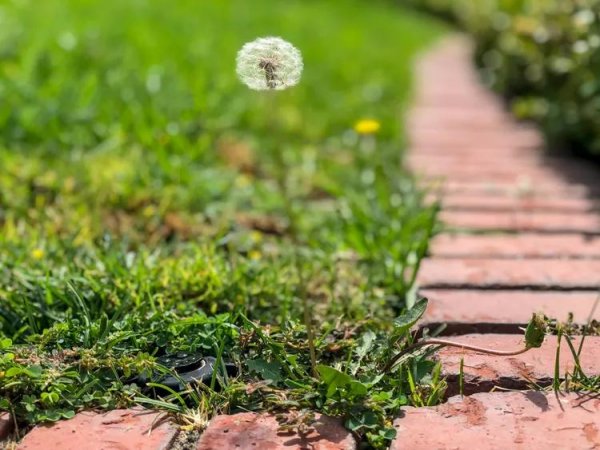
Dandelions, recognizable by their bright yellow blooms and puffball seeds, are a common nuisance in lawns. Their seeds spread easily through the air, while a deep taproot—up to 10 inches long—makes complete removal challenging. Gardeners typically choose between pulling the weed or applying a chemical herbicide, but success depends on timing and technique.
The optimal time for herbicide application is early fall, when the plant transfers nutrients from leaves to roots. Chemicals applied then are absorbed and carried downward, effectively targeting the root system. For those who prefer a non-chemical approach, hand-pulling is viable, but it requires persistence and may take several seasons to fully eradicate the weed, as any root fragment left behind can regenerate.
Hand-Pulling Techniques
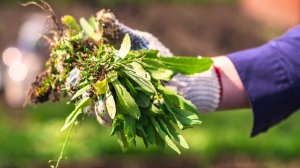
Before pulling, water the area to soften the soil and wait about 30 minutes. Using a garden spade or pitchfork, make an incision alongside the taproot and wiggle the tool to loosen it. Grip the leaves and gently tug until the root comes free. If resistance remains, make additional incisions around the root. After removal, reseed bare spots to prevent new weeds.
For those who prefer a specialized tool, a dandelion puller is designed to extract the entire root with less effort. This tool is particularly useful for those committed to avoiding chemicals.
Herbicide Application as a Last Resort
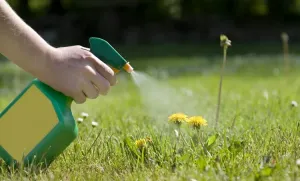
If hand-pulling fails, a broadleaf herbicide can be used, but it should be a last resort. Check safety warnings for children, pets, and the environment, and ensure it won't harm your grass. Choose a sunny, dry week for application. Wear protective clothing, mix the herbicide in a pump sprayer according to package directions, and apply to the dandelions. Allow it to dry, and wait several days until the foliage turns brown before watering. After the weeds die, remove the remains and reseed the area, waiting at least three days after application.
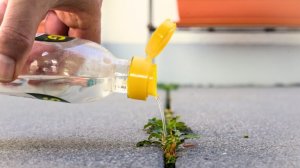
An alternative to chemical herbicides is horticultural vinegar, which contains 20 percent acetic acid. It can be effective but also kills grass, so apply carefully. To improve herbicide effectiveness, avoid mowing for two to three days before and after application, allowing larger leaves to absorb more chemical.
Preventative Measures
Maintaining a healthy lawn is the best defense against dandelions. Leave grass clippings on the lawn to act as mulch, preventing weed seed germination. Mow to a height of 2 to 3 inches to shade out weeds, and overseed bare spots in the fall to prevent opportunistic weeds from taking hold.
By combining these removal and prevention strategies, homeowners can manage dandelion populations effectively, whether they choose manual labor or chemical intervention.