Garden paths serve a dual purpose: they provide access for tending plants and contribute to the overall aesthetic of the landscape. However, keeping these walkways free of weeds can be a persistent challenge. The key to reducing weeding lies not in constant maintenance but in the initial design and installation choices.
According to gardening experts, the foundation of a weed-free path is established before any material is laid. Proper site preparation, including clearing debris and leveling the ground, can significantly reduce future weed pressure. Additionally, the selection of path materials—from loose options like wood chips to permanent hardscapes—determines the level of ongoing care required.
Design and Site Preparation
The process begins with a simple sketch. Planning the layout on paper allows gardeners to visualize routes around beds, compost piles, and other garden features. While design is important, the physical preparation of the site has a greater impact on weed control. Start by removing existing weeds, rocks, and debris from the proposed path area. For larger obstacles like tree roots, it may be wise to adjust the path route rather than risk damaging woody plants.
Leveling the ground is another critical step. A rake with fine teeth can smooth out minor depressions, but for formal or concrete paths, a more precise method using posts and string is recommended. This ensures a stable, even surface that prevents both tripping hazards and water pooling, which can encourage weed growth.
Edging and Weed Barriers
Installing edging is a practical measure that serves multiple purposes. It helps contain loose materials like gravel or mulch, and it acts as a barrier against creeping weeds from adjacent beds. Edging comes in various materials, including plastic and metal, and should be buried halfway into the soil to secure it in place.
For additional protection, a weed barrier can be laid beneath the path surface. Landscape fabric is a common choice, as it allows water and air to pass through while blocking sunlight that weeds need to germinate. A more budget-friendly option is cardboard, which, although biodegradable, can effectively suppress weeds for a season or two. However, it's important to note that these barriers are not foolproof; over time, soil can accumulate on top of fabric, providing a medium for new weed seeds. For living paths made of grass or groundcovers, weed barriers should be skipped entirely.
Choosing the Right Material
The choice of path material involves a trade-off between installation effort and maintenance. Loose materials like wood chips and straw are easy to spread but require periodic topping up to suppress weeds. Wood chips, in particular, are favored in vegetable gardens for their slow decomposition and soil-enriching properties. Gravel, while durable, can be challenging to weed if weeds do emerge, as the stones are abrasive to hands.
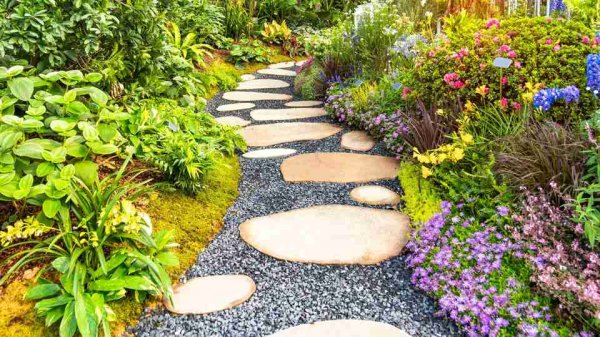
Hardscape options—such as pavers, stones, or concrete—offer the most permanent and weed-resistant solution. They are more difficult to install, often requiring professional help, but they last for years with minimal upkeep. A simple approach is to lay round stepping stones a few inches apart, burying their lower halves in soil.
For those who prefer a natural look, mowed grass paths are an option, provided there is an existing lawn. Regular mowing and irrigation are necessary to maintain them, and they may go dormant during extreme seasons.
Ongoing Maintenance
Even with the best preparation, occasional weeds will appear. Prompt removal, especially in spring and fall when weeds are young and easy to pull, prevents them from spreading. Adding a fresh layer of mulch—at least two to three inches thick—can smother emerging weeds and reduce the need for frequent weeding.
Finally, regular foot traffic is an often-overlooked ally. Walking on paths compacts the soil, making it harder for weeds to establish. A simple habit of strolling through the garden weekly not only keeps paths tidy but also allows for early detection of any weed problems.