Gardeners seeking to avoid chemical herbicides have a common household option: table salt. When applied correctly, salt dehydrates weeds and disrupts their cellular water balance, offering a non-toxic alternative for managing unwanted growth. However, its use requires caution to prevent damage to desirable plants and long-term soil health.
Salt, specifically sodium chloride, is water-soluble, which makes it most effective when mixed with water. The solution is applied directly to the foliage of weeds, allowing for easier absorption. While salt is toxic to all plants, its targeted use can be a practical solution for small-scale gardening and weed control, particularly in areas where soil health is not a concern.
How to Mix and Apply Salt Water
The strength of the saltwater mixture depends on the application site. For garden beds with other plants, a weaker solution, such as a 1:2 ratio of salt to water, is recommended. In areas like driveways, patios, or cracks in pavement, a stronger mixture of 2:1 or 3:1 can be used, though this will likely affect soil pH and may eventually sterilize the soil.
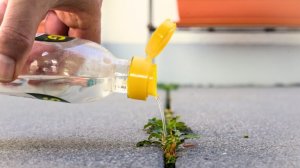
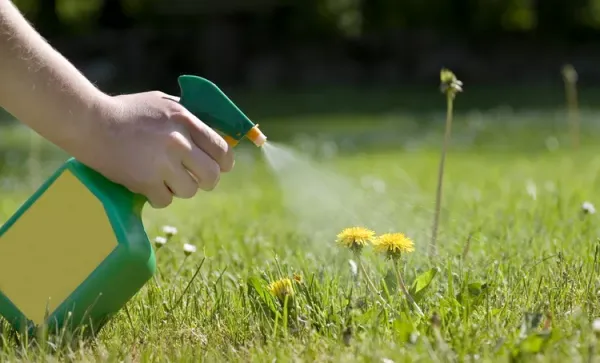
Application should be directed at the weed's foliage, avoiding the roots to protect surrounding soil and plants. A spray bottle or container can be used for application. If nearby plants are present, watering them generously after application can help flush out any saltwater that may have seeped into the soil. In tight flowerbeds or vegetable gardens, this method is not advised.
Comparing Salt with Other Non-Toxic Herbicides
Several other non-toxic options exist, each with its own trade-offs. Household vinegar is less effective than horticultural vinegar, which has higher acetic acid concentrations. When combined with salt and water, vinegar can control weeds but may also alter soil pH over time.
Boiling water is another option, effective for clusters of weeds and leaving no residual effects on the soil. However, it requires careful application to avoid harming desirable plants. Fire, used via flame weeders, can burn emerging weeds and permanently remove annuals, but it does not kill the roots of perennial weeds.
Each method has its place, and the choice depends on the specific situation. Salt is best for areas where soil health is not a priority, while boiling water suits garden beds where soil preservation is key. Vinegar and fire offer additional alternatives, but all require careful handling to protect surrounding vegetation.
For gardeners, understanding these options allows for informed decisions that balance effectiveness with environmental considerations. As with any herbicide, even natural ones, caution is essential to avoid unintended damage.