Gardeners and land managers across North America are increasingly confronting a silent threat: non-native plants that escape cultivation and overwhelm natural areas. These invasive species, which include vines, shrubs, and trees, can displace native vegetation, disrupt wildlife habitats, and even cause economic harm. While some are prized for their beauty, their aggressive growth often leads to ecological damage. This report highlights 16 of the most common offenders, based on guidance from extension services and federal agencies.
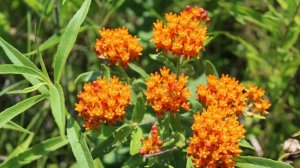
Invasiveness is not a universal trait; a plant may be benign in one region and destructive in another. For instance, lantana (Lantana camara) is a serious problem in Florida, Georgia, and California, but it poses little risk in colder zones where it is grown as an annual in hanging baskets. Similarly, butterfly bush (Buddleja spp.) is a major invader in the Pacific Northwest, yet it struggles in colder areas where winter dieback limits its spread. Understanding these regional differences is crucial for responsible planting.
Vines That Take Over
Among the most notorious are climbing vines. Oriental bittersweet (Celastrus orbiculatus) is a vigorous vine that can smother woodlands, while its native relative, American bittersweet, is less aggressive and often used in decorations. Sweet autumn clematis (Clematis terniflora), with its fragrant white flowers, is especially problematic in the East and lower Midwest. Japanese honeysuckle (Lonicera japonica), a fast-growing twiner, can reach 30 feet and girdle trees, breaking limbs under its weight. Kudzu, dubbed “the vine that ate the South,” was initially planted for shade on porches but now blankets the region, and some managers have turned to goats for control.
Shrubs and Groundcovers That Spread
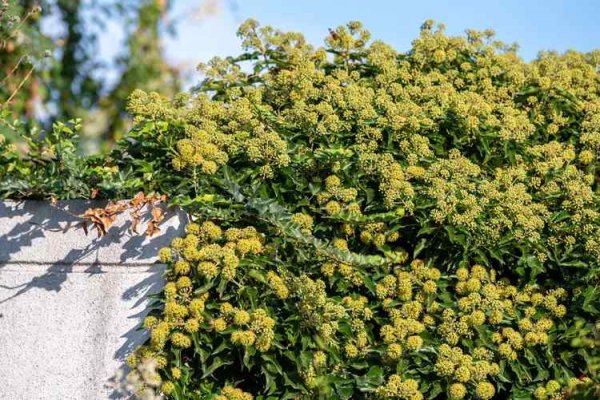
Several popular shrubs and groundcovers also rank high on invasive lists. Japanese barberry (Berberis thunbergii) and European barberry (B. vulgaris) are thorny hedges that have become so problematic that many Midwestern states advise against planting them. Burning bush (Euonymus alatus), admired for its fall color, is considered dangerously invasive from Maine to Minnesota and the Southeast. English ivy (Hedera helix) is a shade-tolerant groundcover that escapes into forests, particularly in the Pacific Northwest. Ajuga (Ajuga reptans), or bugleweed, can overrun lawns in warmer climates where winter frost does not check its growth. Common privet (Ligustrum vulgare) is a fast-growing hedge that naturalizes easily, and Norway maple (Acer platanoides) spreads by wind-dispersed seeds, invading forests in the Northeast.
Perennials and Wetland Invaders
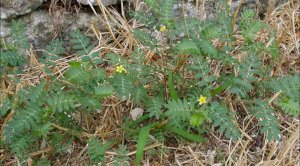
Perennials like Japanese knotweed (Fallopia japonica) are considered invasive in every state, with no redeeming landscape value. Tansy, an herb with a history of medicinal use, spreads by seeds and rhizomes, forming dense stands. Purple loosestrife (Lythrum salicaria) arrived in North America in ship ballast in the early 19th century and now infests wetlands in every state except Hawaii and Alaska. Since 1992, U.S. and Canadian governments have introduced European beetles (Galerucella calmariensis and G. pusilla) to curb its spread, with some success.
For gardeners, the takeaway is to verify the invasive status of any plant before planting. Local extension offices provide region-specific guidance. Avoiding these species can prevent the costly and time-consuming task of removal while protecting native ecosystems.