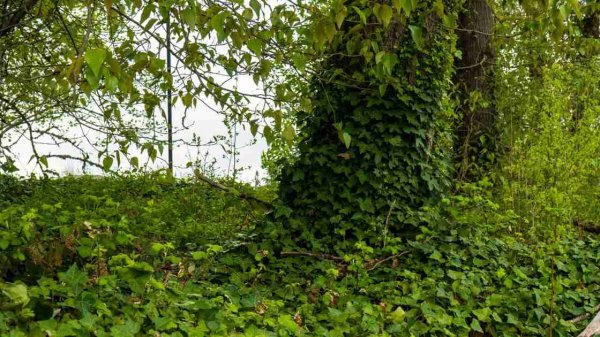
Gardeners facing the challenge of invasive plant species now have a comprehensive set of strategies to reclaim their landscapes. From manual removal to strategic planting of native species, the methods outlined by horticultural experts offer a multi-pronged approach to managing unwanted vegetation. The key is understanding the specific characteristics of the invasive plants in your region and applying the appropriate technique at the right time.
Invasive plants are defined as non-native species that aggressively outcompete local flora, often disrupting entire ecosystems. While some native plants may spread vigorously, they typically coexist with other species in their natural range. In contrast, non-native invaders like Himalayan blackberry in the Pacific Northwest, kudzu in the South, and ice plants in California can create monocultures that offer little ecological value.
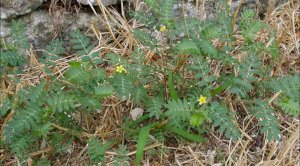
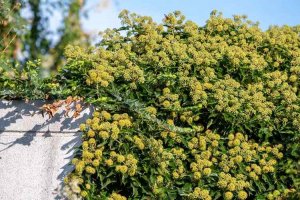
Identifying the culprit is the first step. Gardeners should examine leaves, flowers, seeds, and growth habits, and consult resources like botanical gardens, university extension offices, or government agencies for accurate identification. Common invasive species across the U.S. include English ivy, lesser celandine, tansy ragwort, Bradford pear, Norway maple, Japanese knotweed, and common mullein.
Removal Techniques: From Simple to Intensive
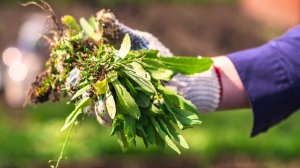
Manual removal—pulling, scraping, or digging—remains the most straightforward approach. For shallow-rooted annuals, a simple pull is effective. However, perennials like field bindweed or lesser celandine require deep digging to remove underground rhizomes and bulbils. Consistency is crucial; repeated removal over several seasons depletes the plants' energy reserves.
For tougher infestations, a propane torch can be used to burn young weeds, particularly in driveways or gravel areas. This method works by causing the plants to expend energy on recovery, eventually killing them. Caution is advised: avoid burning near flammable materials, and never torch toxic species like poison oak or ivy, as the heat can release harmful chemicals.
Solarization with UV-resistant plastic is a last-resort option. This involves covering the infested area with a tarp for at least three months during the hottest part of summer, or up to a year for persistent perennials. While effective, this method also kills beneficial soil organisms, though the upper soil layer can recover in a few months.
Prevention and Alternative Strategies
Preventing invasive seeds from germinating is easier than removing established plants. A thick layer of organic mulch, such as compost or bark chips, suppresses seedlings and enriches the soil as it decomposes. Regular inspection and prompt removal of any seedlings that emerge through the mulch are essential.
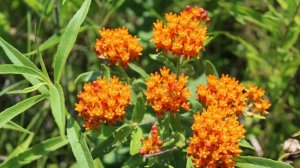
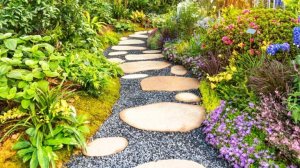
Another effective strategy is replacing invasives with native plants. Species like California poppy, black-eyed Susan, and redwood sorrel are adapted to local conditions and provide nectar, pollen, and food for native wildlife. By occupying the space, they naturally outcompete invaders.
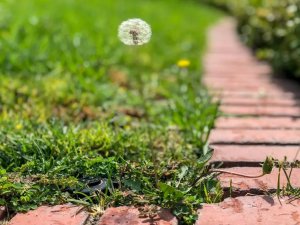
For the adventurous, some invasive plants are edible. Dandelions, Himalayan blackberries, purslane, and sweet violet are among those that can be harvested. However, proper identification is critical, as some edible species have toxic look-alikes, such as Queen Anne's lace versus poison hemlock.
Ultimately, managing invasive plants requires diligence and a tailored approach. Gardeners should stay vigilant, especially after initial removal, as seeds can be carried by wind, water, or animals. Consulting local restoration ecology resources can provide guidance on the best methods and timing for specific species, ensuring long-term success in maintaining a healthy, balanced garden.