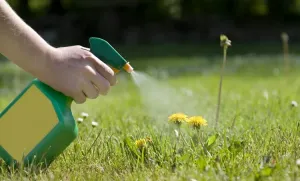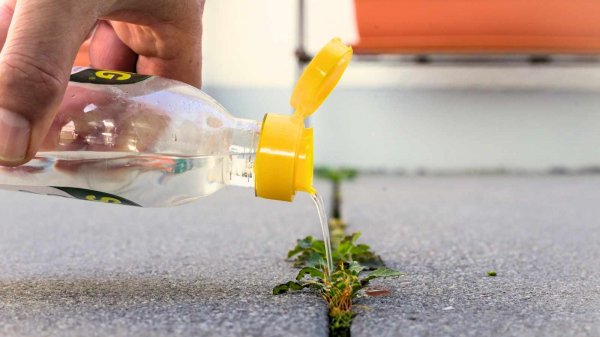
Gardeners seeking to avoid synthetic herbicides often wonder if a common kitchen staple—vinegar—can do the job. The short answer: it can kill young broadleaf weeds, but its limitations and safety concerns make it a less-than-ideal choice for most situations. According to USDA research, household vinegar (5% acetic acid) and stronger 10% solutions are effective only on young broadleaf weeds under two weeks old. For mature plants and grasses, higher concentrations are needed, which bring their own risks.
Vinegar works by desiccating plant tissue—the acetic acid breaks down cell walls on contact, causing the plant to dry out and die. However, this action is non-selective, meaning it can harm desirable plants just as easily. It also only affects the parts it touches; roots remain untouched, so perennials with robust root systems, like Canada thistle, often regrow and require multiple applications.
Safety and Concentration Concerns
The primary active ingredient, acetic acid, is naturally occurring, but its concentration determines both efficacy and danger. Household vinegar contains about 5% acetic acid, which is relatively safe to handle without protective gear. But research indicates that concentrations above 11% can burn skin and cause permanent eye damage. Horticultural vinegars typically contain around 20% acetic acid, making them significantly more corrosive and hazardous to use without proper personal protective equipment.
Beyond human safety, repeated applications of high-concentration vinegar can harm soil organisms. The compound is also reactive with metals like iron, tin, and aluminum, so it should not be applied with metal sprayers. Its strong odor and potential to irritate skin and lungs add to the list of drawbacks.
Why Vinegar Falls Short for Many Weeds
For grasses such as quackgrass and crabgrass, vinegar is largely ineffective unless used at very high concentrations, which can damage soil. Mature broadleaf weeds, including thistle and pigweed, also require 20% acetic acid solutions to be significantly controlled. Even then, the effect is temporary for perennials because the roots survive underground.
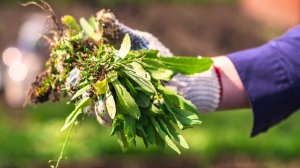
Given these limitations, many gardening experts conclude that hand-weeding with tools like a scuffle hoe or a hori hori knife often requires less effort than repeated vinegar applications. The cost and accessibility of household vinegar are appealing, but its low concentration means it rarely delivers the desired results on established weeds.
Long-Term Weed Prevention Strategies
Instead of relying on sprays, sustainable weed management focuses on prevention. Mulching with deciduous leaves or straw suppresses weed seeds and keeps soil covered. Applying compost each season enriches the soil and buries seeds. Tarping is a passive method that smothers weeds in heavily infested areas over a few weeks. Ground covers like creeping thyme or microclover outcompete weeds, and cover crops protect empty beds while adding nutrients.
The most critical rule: never let weeds go to seed. Mowing or chopping them before they flower prevents thousands of new seeds from spreading. Combining these methods reduces weed pressure over time, making chemical or vinegar interventions unnecessary.
In summary, while vinegar has a place in a gardener's toolkit for spot-treating tiny weeds, its safety risks, limited efficacy, and the availability of more reliable methods make it a last resort. For most gardeners, investing in preventive practices yields longer-lasting results with less effort.