Gardeners across North America often find themselves face-to-face with flowering plants they didn't plant. While some are welcome guests that attract pollinators, others can be aggressive invaders or even hazardous to touch. A weed, after all, is simply a plant growing where it isn't wanted—and knowing which is which can save time, effort, and sometimes skin.
This guide profiles 39 flowering weeds commonly found in yards, fields, and roadsides, offering details on their appearance, growth habits, and the conditions they prefer. It also notes which species are beneficial to local ecosystems and which should be handled with caution.
Common Weeds With Showy Blooms
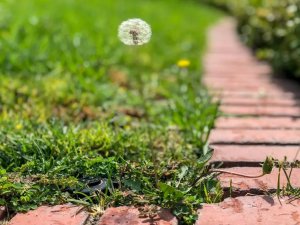
Among the most recognizable is the dandelion (Taraxacum spp.), whose bright yellow flowers bloom from March to September before turning into spherical seed heads carried by the wind. Dandelions are edible—young leaves can be added to salads, and the white sap from stems can even be used as glue. They thrive in disturbed soil and full sun, reaching up to 28 inches tall, and grow in USDA zones 2 through 11.
Chicory (Cichorium intybus) is another roadside staple, producing periwinkle-colored flowers that open for a single day. In cooler climates, the blooms stay open all day, but in hot weather they close by midday. Chicory prefers disturbed land like roadsides and pastures, and grows in zones 3 through 9.
Queen Anne's lace (Daucus carota) is known for its tightly clustered white flowers that resemble lace, blooming in its second year. It can reach four feet tall and spreads aggressively in sunny, open areas. It grows in zones 4 through 11.
Weeds That Demand Caution
Some flowering weeds are more than just a nuisance. Giant hogweed (Heracleum mantegazzianum) can tower up to 15 feet, with clusters of tiny white flowers reaching 60 centimeters across. Its sap can cause severe burns, scarring, and even blindness if it contacts the eyes. It grows in zones 3a through 9b.
Jimsonweed (Datura stramonium) is another nightshade family member, bearing fragrant trumpet-shaped flowers that open at night. It contains poisonous properties, though some people consume it for psychoactive effects. It prefers dry, sunny spots and grows in zones 6 through 9.
Meadow death camas (Toxicoscordion venenosum) is also toxic, with white flowers and yellow centers that bloom from April to July. It thrives in dry climates and is pollinated only by the mining bee. It grows in zones 3 through 9.
Pollinator-Friendly Weeds Worth Keeping
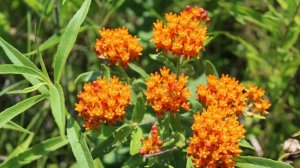
Not all flowering weeds are unwelcome. Milkweed (Asclepias spp.) is a magnet for pollinators, especially monarch butterflies, which lay eggs on its leaves. It produces pink, purple, green, or orange flower clusters and grows in zones 3 through 9.
Goldenrod (Solidago spp.) also attracts bees and butterflies, though its fluffy yellow flowers can trigger allergies. It blooms in late summer and fall, tolerates drought, and grows in zones 3 through 9.
Wild clover (Trifolium repens) is another beneficial weed, fixing nitrogen in the soil and improving its quality. Its pom-pom-like flowers appear from May to October, and it thrives in zones 3 through 10.
Managing Weeds Without Harming the Environment
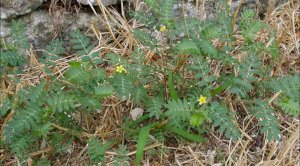
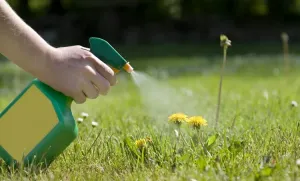
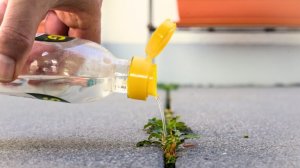
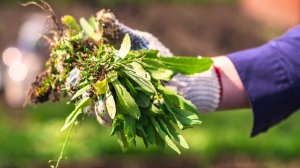
For gardeners looking to control weeds, the guide emphasizes a pollinator-friendly approach, discouraging herbicide use unless a weed is rampantly invasive. Many weeds, such as bindweed (Convolvulus arvensis) and creeping buttercup (Ranunculus repens), can be managed by regular weeding and soil improvement. Others, like the common self-heal (Prunella vulgaris), thrive in footpaths and compacted soil, signaling a need for soil aeration.
Understanding each weed's growth habits and preferred conditions is key to effective management. For instance, black medic (Medicago lupulina) indicates compacted soil, while hairy bittercress (Cardamine hirsuta) prefers cool, moist earth. By knowing what these plants need, gardeners can adjust their practices to discourage unwanted growth naturally.