Gardeners and farmers who spot weeds with heart-shaped leaves should not ignore them. Several species with this distinctive foliage are aggressive invaders that can smother crops and ornamentals, and some can even release toxins into the soil. Knowing exactly which plant you are dealing with is the first step toward effective removal.
Weeds generally fall into two broad categories: grasses and broadleaf plants. Grasses lack the showy leaves that broadleaf weeds display, and among broadleaf weeds, heart-shaped leaves are actually butterfly-shaped, with the leaf base indented where it meets the stem. To identify the specific weed, gardeners should observe how the leaves attach to the stem—whether they are opposite or alternating—and note the leaf texture, color, and the base shape.
Common Heart-Leaf Weeds Across the U.S.
Several heart-leaf weeds are widespread, each with its own preferred habitat and control challenges.
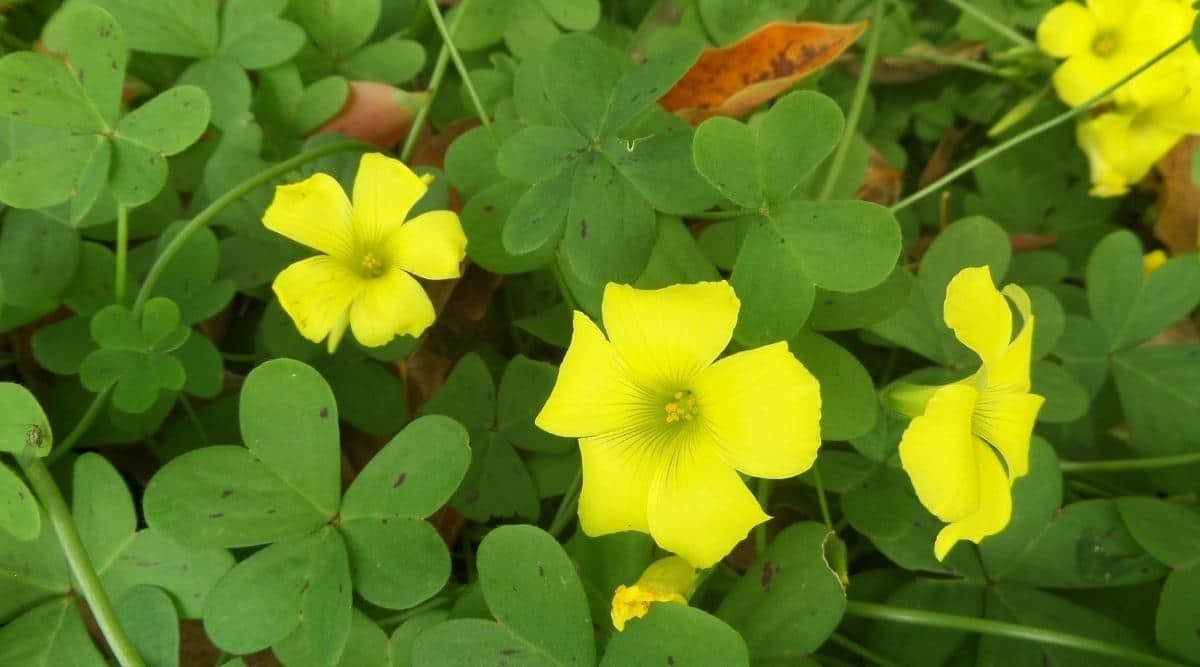
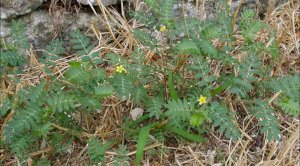
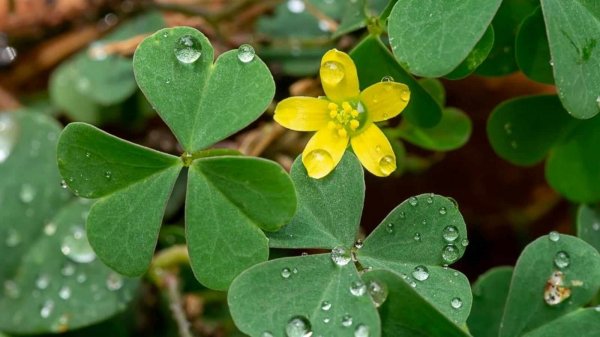
The Bermuda buttercup (an Oxalis species) resembles clover or shamrock, with small yellow flowers and clusters of heart-like leaves. It thrives in full sun and is common in irrigated agricultural areas, as well as urban and suburban settings. This plant can be toxic to livestock and is particularly difficult to remove once established, because it grows from bulbs. Gardeners are advised to remove the bulbs carefully and avoid moving soil to other parts of the yard, as this can spread the weed. Bermuda buttercup typically grows in USDA zones 8 through 11.
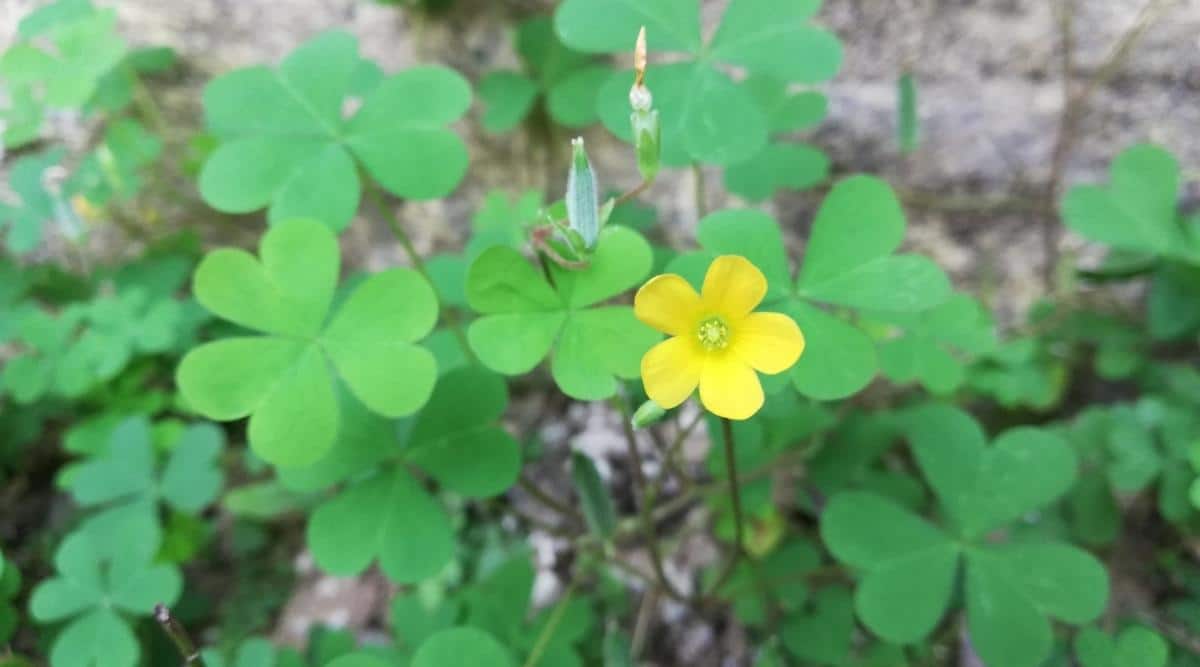
Creeping wood sorrel, another Oxalis, is a low-growing perennial that prefers shady conditions and is often found in yards, gardens, and agricultural fields. It is identified by its yellow flowers with five separate petals. Control is challenging because the plant can regrow from small fragments, so hand-weeding mature plants and managing seeds are key. Covering established patches with mulch to block light can help, but removal may take years.
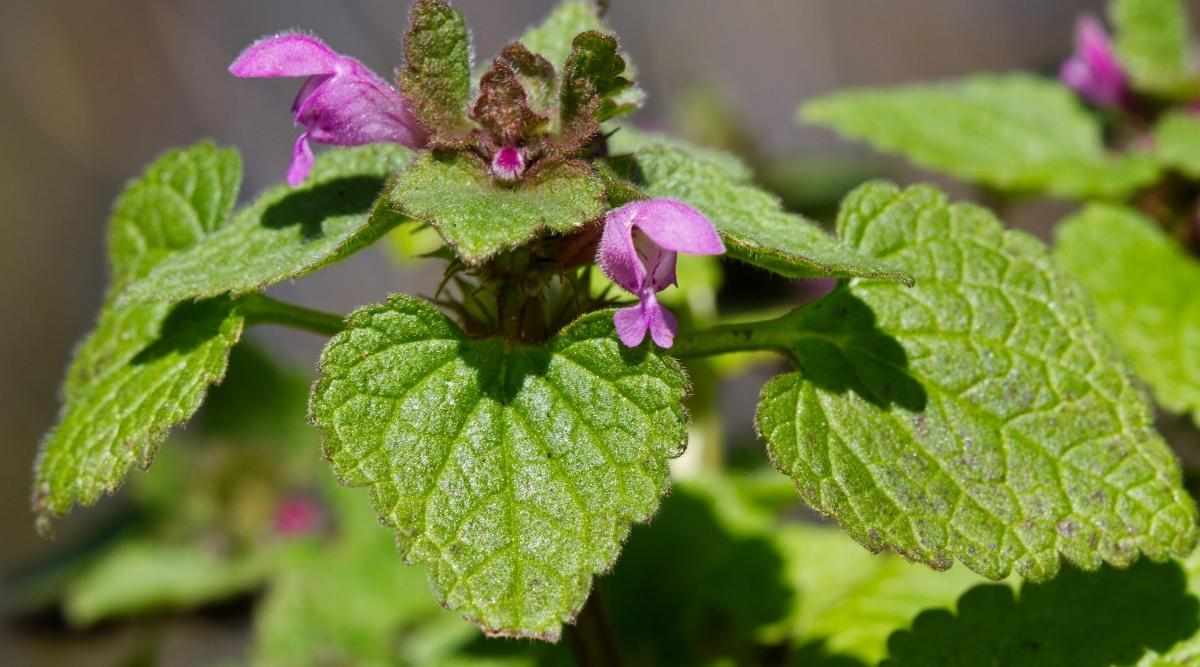
Henbit, also called dead-nettle, is a biennial that grows in agricultural areas, gardens, roadsides, and even sidewalk cracks. It can reach 1.3 feet tall and is easily recognized by its heart-shaped leaves, square stems, and purple flowers that bloom from March to August. Henbit can self-pollinate, making it resilient. The best control is to maintain a thick, healthy lawn so the weed has no place to take root; lawn weed killers can also be effective.
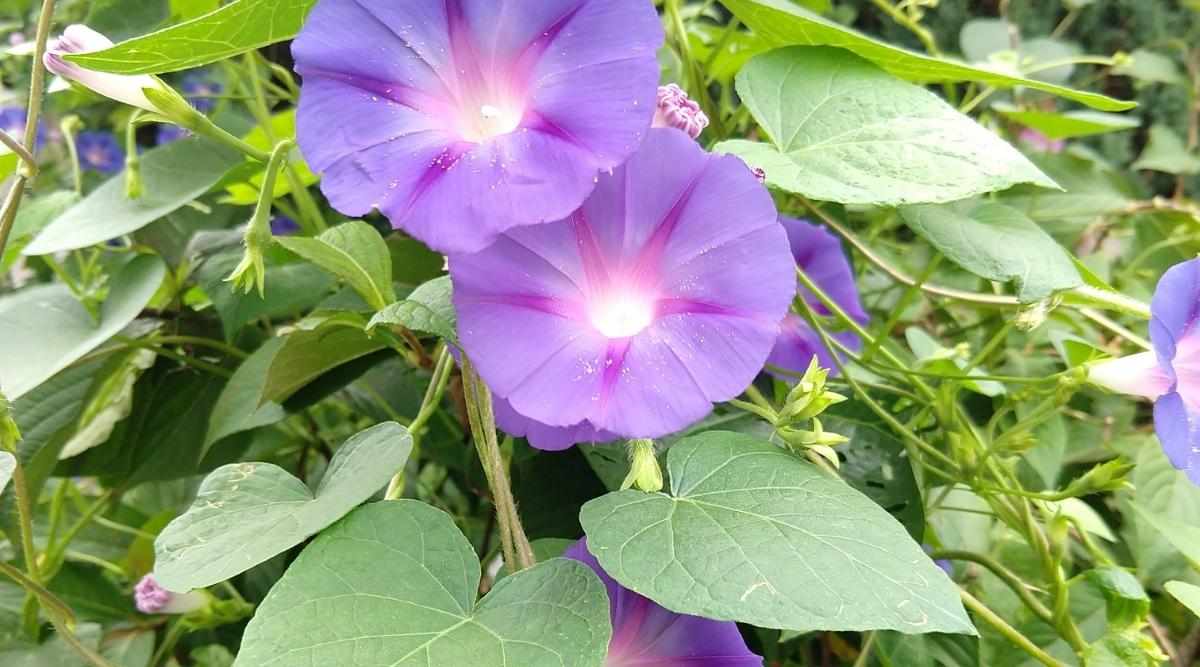
Japanese morning glory is a broadleaf plant that, while sometimes grown intentionally, has become a problematic weed in California's San Joaquin Valley, especially in cotton fields. It requires moisture and does not survive hard freezes. The best time to control it is at the seedling stage, before it climbs and chokes crops. Once established, removal is difficult without damaging the host plants. Its seeds can survive for long periods and contain alkaloid compounds toxic to animals and humans. The plant flowers from June to November, with pale purple, funnel-shaped flowers that have white at the base.
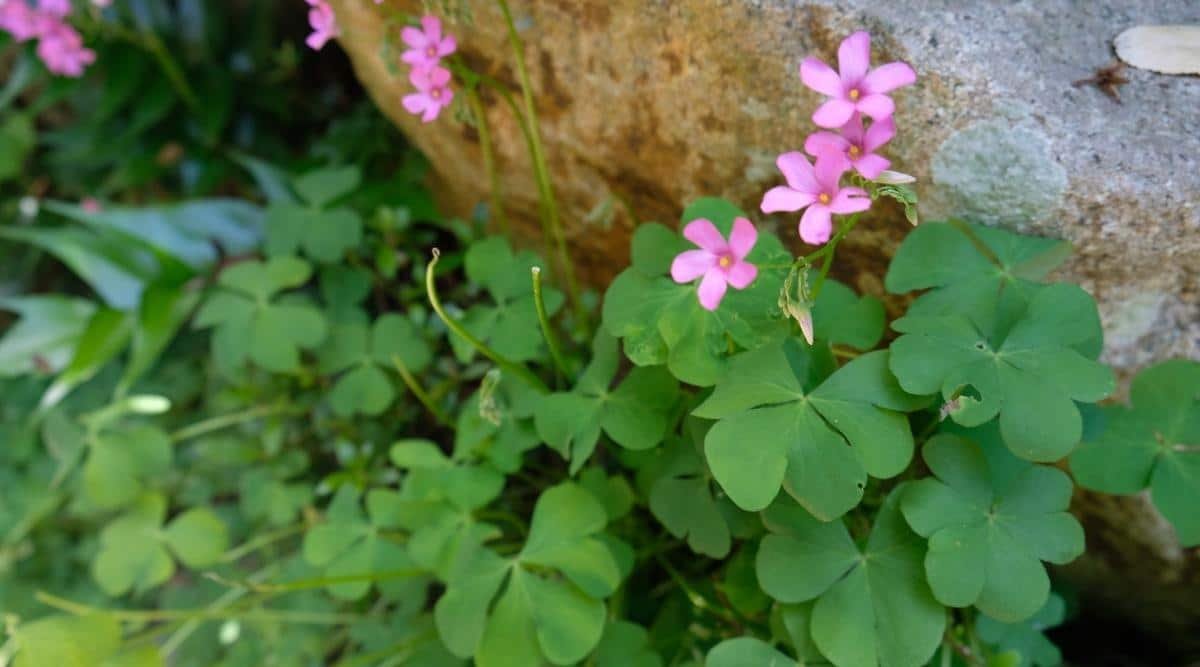
Oxalis, a tenacious weed that looks like clover, is a broad category that includes creeping wood sorrel. It has small yellow flowers and can regrow from a mere stem fragment. It spreads easily and grows in most soil conditions. Hand-pulling is difficult because fragments can establish new plants, and herbicides are not recommended as they may harm native plants. Control requires patience and repeated removal.
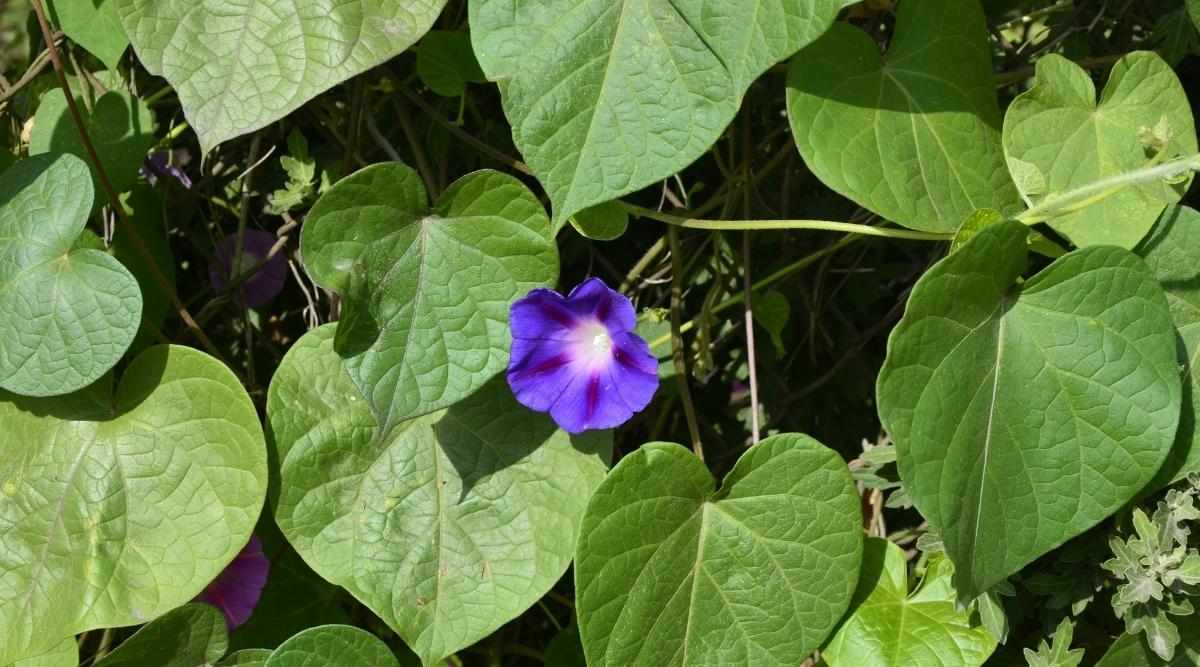
Tall annual morning glory is another weed that can damage crops, preferring moist conditions and not surviving hard freezes. Like Japanese morning glory, its seeds are toxic. It flowers from June to November with dark purple, blue, or pink blooms, sometimes bi-colored. The seeds are wedge-shaped, about ⅖ to ⅕ of an inch long, and need to be planted about four inches deep. Control is best at the seedling stage.
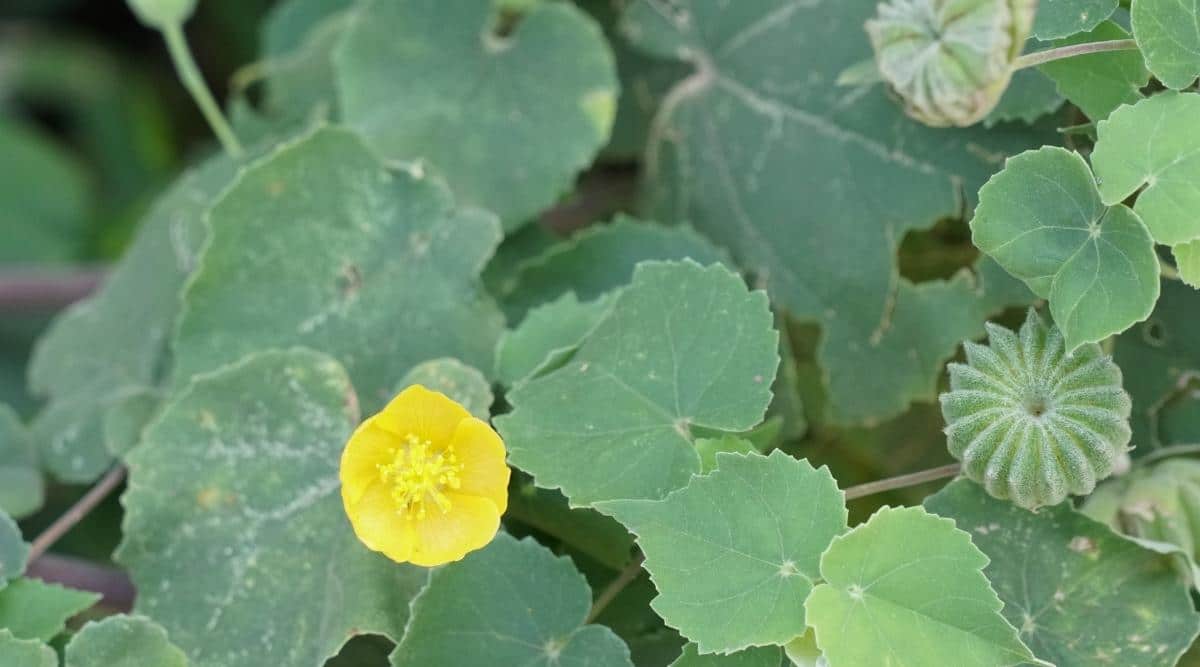
Velvetleaf is a particularly troublesome weed in soybean and cornfields. It can grow up to five feet tall, shading out crops and attracting pests and diseases. Its seeds can remain viable in the soil for up to 50 years, and the plant releases a toxic chemical that inhibits the growth of nearby plants by interfering with water uptake and chlorophyll production. Velvetleaf is identified by its coarse stems, hairy leaves, and yellow flowers that bloom in July and August. Hand-weeding before it sets seed is the most effective control.
Why Identification Matters
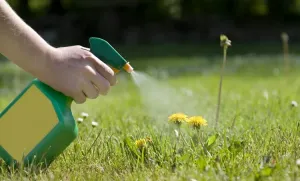
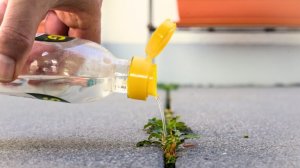
Identifying the specific heart-leaf weed is crucial because control methods vary. Some, like velvetleaf and Oxalis, can be harmful to garden plants and crops, either by shading, competing for nutrients, or releasing toxins. Early intervention, whether by hand-pulling, mulching, or using targeted herbicides, can prevent these weeds from spreading and reduce the effort needed to manage them. As with many garden challenges, knowledge is the gardener's best tool.