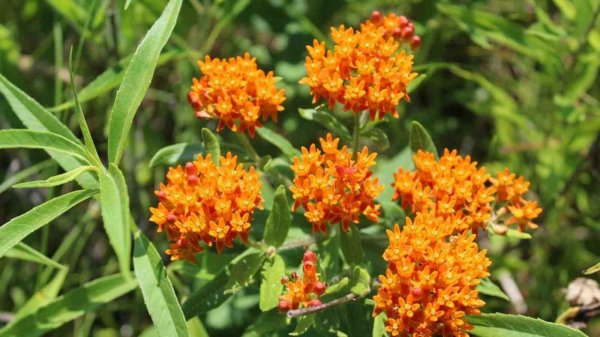
Gardeners across North America may spot a flash of orange in their flowerbeds and wonder: friend or foe? While some orange-blooming plants are cultivated for their beauty and pollinator appeal, others are aggressive invaders that can quickly overtake a landscape. Knowing which is which can save hours of labor and protect native ecosystems.
Take butterfly weed (Asclepias tuberosa), for example. This perennial, native to eastern and southwestern North America, grows 1.5 to 2 feet tall and produces dense clusters of bright orange flowers. It is a magnet for butterflies and other beneficial insects, making it a favorite in pollinator gardens. Unlike many weeds, it tends to stay in a tidy bush shape, so it rarely becomes a nuisance.
In contrast, orange hawkweed (Hieracium aurantiacum) is a different story. Native to central and southeast Europe, this perennial can grow 8 to 35 inches tall and spreads aggressively through both seeds and rhizome roots. It is often mistaken for a dandelion due to its similar flower shape. In some regions, it is listed as an invasive species, and gardeners are encouraged to report sightings. Eradication requires diligence: even a fragment of rhizome can regenerate, so multiple removal sessions may be necessary.
Native Beauties and Edible Surprises
Not all orange weeds are unwelcome. Orange jewelweed (Impatiens capensis), an annual native to North America, thrives in moist, shaded woodlands. Its slipper-shaped flowers are speckled and colorful, and it often grows near poison ivy. Interestingly, the juice from its stems has been used in Native American medicine to relieve poison ivy itch. This plant is not aggressive, so it rarely needs control.
Another surprising edible is orange nasturtium (Tropaeolum spp.), which can be a perennial in zones 9-11 or an annual in cooler zones. All parts are edible, with a peppery fragrance, and it is often used in companion planting to deter pests. While some consider it a weed, many gardeners cultivate it deliberately.
Red chickweed (Anagallis arvensis), also known as scarlet pimpernel, is a low-growing annual from the Mediterranean. It serves as a ground cover and prefers areas without competition. Although small amounts of its leaves are edible, some people may experience skin irritation, so caution is advised.
Invasive Threats to Watch
Some orange-flowered plants are best avoided altogether. Chinese lantern (Abutilon pictum), also called velvetleaf, is native to China and has been used traditionally for medicine and fiber. However, it is highly competitive, stealing resources from neighboring plants and causing problems for farmers. Its seeds can remain viable for up to 50 years, making control a long-term commitment.
Dalmatian toadflax (Linaria dalmatica) produces yellow and orange snapdragon-like blooms. It spreads via seeds and rhizomes and can quickly dominate a garden. Prevention is key: remove young plants repeatedly in spring and summer, ensuring the entire root is extracted. For large infestations, biocontrols or chemicals may be necessary.
Tawny daylily (Hemerocallis fulva), while popular for its colorful flowers, behaves like a perennial weed. It spreads through roots and seeds and is notoriously difficult to remove. A physical barrier can help contain it, and careful disposal of all plant parts is essential to prevent re-establishment.
Trumpet creeper (Campsis radicans) is a native vine in the eastern United States but can be invasive elsewhere. It grows up to 40 feet and spreads via seeds and underground runners, often appearing far from its original location. It can damage fences and rocks, so it requires a sturdy support structure and vigilant management.
Making Informed Choices
Understanding how a plant spreads is crucial for deciding whether to keep or remove it. Plants that stay put, like butterfly weed and jewelweed, can be valuable garden additions. Those that spread aggressively, such as hawkweed and toadflax, should be eradicated early. By learning to identify these orange-flowered invaders, gardeners can protect their landscapes and support local ecosystems.