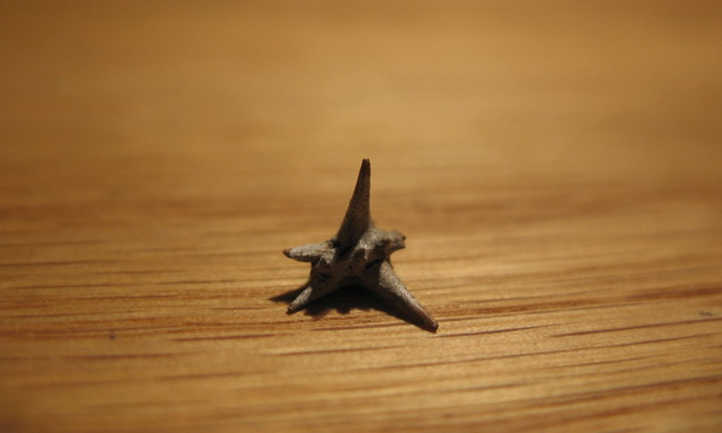
Puncturevine, commonly called goat head weed, is a noxious invasive plant that has troubled gardeners, ranchers, and outdoor enthusiasts for over a century. First documented in California in 1902, this fast-spreading weed has since formed dense monocultures that crowd out native vegetation. Its spiny seed pods, which resemble a goat's head, can puncture skin, animal paws, and even bicycle tires, making control a priority for anyone managing land.
Known scientifically as Tribulus terrestris, the plant thrives in sandy, well-drained soils and full sun, often appearing in waste areas, along railroad tracks, and in pastures. It also finds its way into backyard gardens and lawns, where its deep taproot and sprawling stems make it particularly stubborn. The weed's ability to remain dormant for up to five years adds to its persistence, allowing it to reappear long after removal efforts.
Identifying the Weed at Every Stage
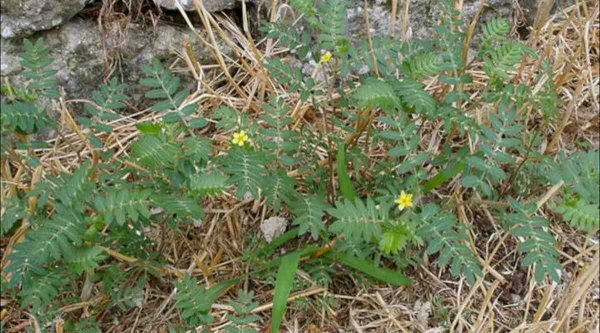
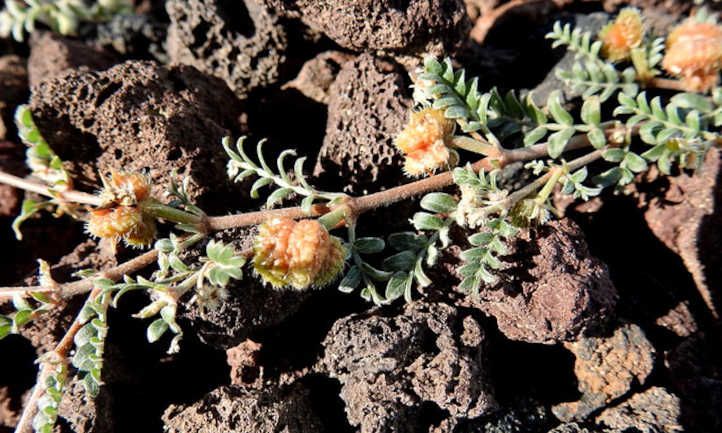
Young puncturevine plants can be mistaken for other broadleaf weeds like purslane or spotted spurge. Look for green leaves with grey undersides and a slight indentation at the tip, each no larger than three-fifths of an inch. The stems radiate from a central taproot in a twisting pattern, and the entire plant may only span a few inches in its early phase.
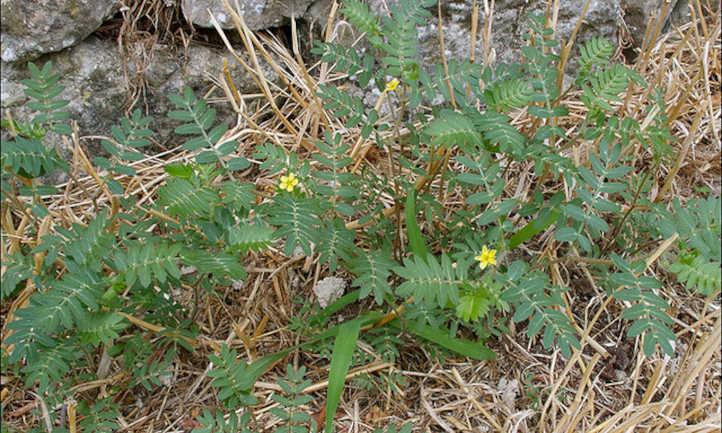
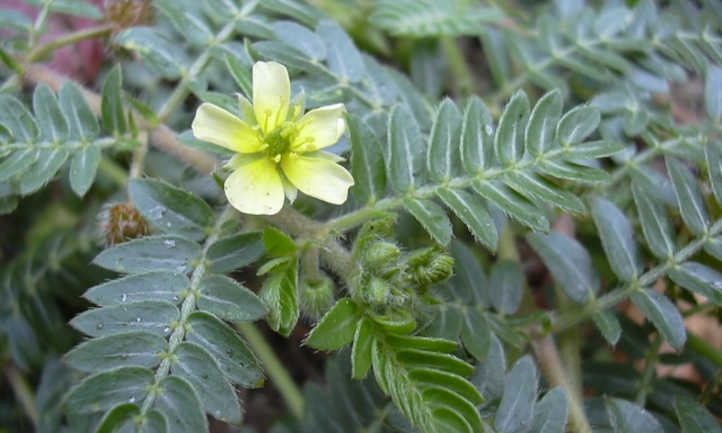
As the plant matures, its leaves may turn reddish to brown and become covered in fine hairs. Stems can extend up to a meter wide, and in dense foliage, the plant may grow upright rather than prostrate. Bright yellow flowers with five petals appear from spring to fall, opening in the morning. In California, flowering typically occurs from March to October; in Arizona, from July to September.
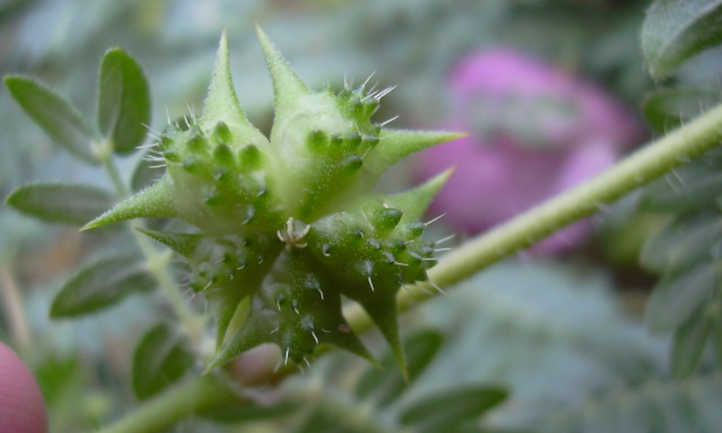
After flowering, the plant produces its characteristic spiny fruit—a seed pod with several sharp points that dry and detach easily. These burrs cling to fur, clothing, and shoes, facilitating the weed's spread. The seeds remain viable in the soil for years, making thorough removal essential.
Risks to Pets, Livestock, and People
Beyond the physical damage caused by the burrs, the plant poses a health risk to animals. If consumed, the leaves can poison livestock, particularly sheep. Burrs embedded in soft tissue can lead to infections, requiring veterinary care or prolonged extraction. For humans, stepping on a goat head can mean a painful puncture wound and the risk of infection if spines are not fully removed.
Given these dangers, effective control is not just a matter of aesthetics but of safety. The following methods have proven useful, though each has its own considerations.
Control Without Chemicals
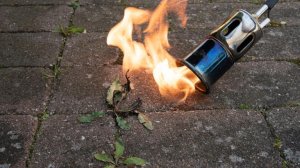
One of the most effective non-chemical methods is flame weeding. Using a propane torch to char the top of the root mass in spring or summer can kill the plant, but it is crucial to check local burn regulations and avoid use on dry, windy days. Pre-watering the area and keeping a hose nearby can help prevent unintended fires.
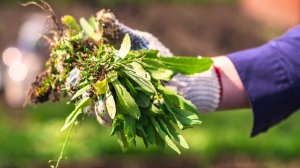
For large properties, dragging an old carpet behind a vehicle can pick up seed pods from the ground, though this does not remove growing plants. Manual pulling is labor-intensive but reliable: pull sideways to avoid breaking the taproot, then rake the area to collect any fallen burrs. This method works best outside winter when foliage is present.
Biological and Organic Options
For extensive infestations, releasing puncturevine weevils—Microlarinus lypriformis and M. lareynii—can help. These insects feed on stems and seeds, but they are not native and may not eliminate the weed entirely. Consult a local agricultural extension office to determine if this approach is suitable.
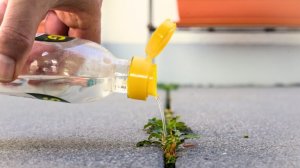
Organic herbicides based on iron salts are not effective, as they kill foliage but leave the taproot intact. Instead, a white vinegar spray with at least 5% acidity can be used on young plants before they set seed. Horticultural vinegar, at 15% acidity, is stronger but requires protective gear and careful application to avoid harming nearby plants.
Chemical Herbicides and Precautions
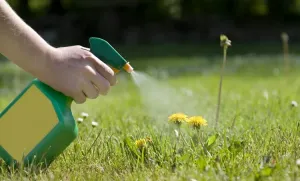
Glyphosate and oryzalin are broad-spectrum herbicides that can control puncturevine, but they kill any plant they contact. Oryzalin should be applied in late winter or early spring, while glyphosate is best used in late spring through fall when the weed is fully grown. Covering the treated area with a tarp can prevent evaporation and reduce exposure. Always follow label instructions and avoid spraying on windy days.
Ultimately, a combination of methods—manual, mechanical, and chemical—offers the best chance of reducing goat head weed populations. Regular monitoring and prompt removal of new plants can prevent the weed from becoming established, protecting both your property and your peace of mind.