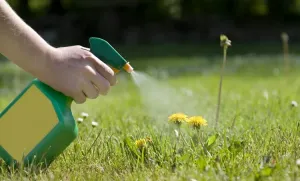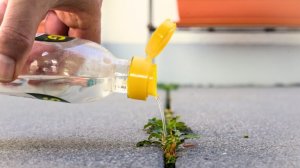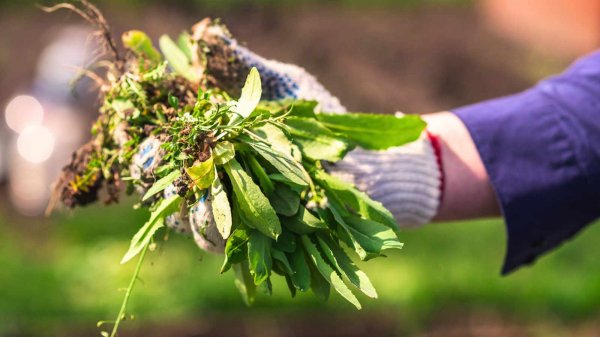
Summer gardens often face an invasion of weeds—spiky leaves, fluffy seed heads, and all. While some of these plants may look intriguing, they compete with vegetables, herbs, and wildflowers for nutrients and water, and can even harbor pests and diseases. For gardeners with large properties or neglected beds, the task of weeding can feel daunting. However, there are effective, non-chemical strategies that can help you regain control without resorting to herbicides, which may harm nearby plants and soil life.
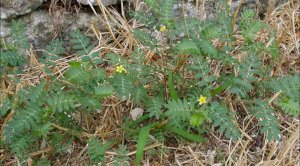
According to gardening experts, the key is to act early and use a combination of techniques. One of the most effective methods is simply removing young weeds before they establish deep roots. Seedlings with tender roots are easy to pull by hand or with a weeding tool. Over time, you'll learn to recognize common weed seedlings, such as the clover-shaped leaves of clover, the spoon-shaped leaves of dandelions, or the spiky leaves of thistles. If you're unsure, wait until the plant grows a bit more to confirm its identity before removing it.
Why Timing Matters
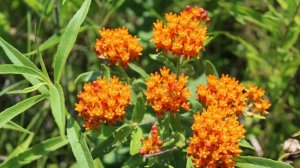
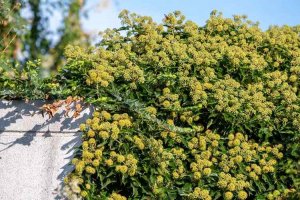
By mid-summer, many weeds have grown tall and are about to flower and set seed. If you can't pull them out completely, you can still prevent them from spreading by pinching off the flowers before they form seeds. This is especially useful for weeds with long taproots or strong root systems. For prickly stems, use snips or pruners, and always wear gloves for protection. Interestingly, some weed flowers, like those of dandelions, are edible and can be added to salads or smoothies—just be sure you've correctly identified the plant before consuming, as some have toxic lookalikes.
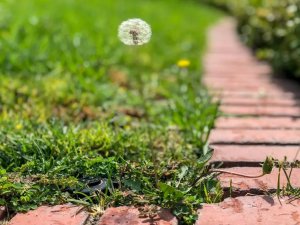
Once flowers fade, seed heads appear. These can look like fruits, pods, or fluffy spheres, depending on the weed. Even at this stage, you can limit the spread by removing the seed heads and disposing of them in a bag. Alternatively, hot composting can kill the seeds if the pile reaches sufficient temperatures. Some seed heads, such as those from teasel, pampas grass, or love-in-a-mist, are quite decorative and can be used in dried floral arrangements before disposal.
Mulching and Planting as Long-Term Solutions
For a more proactive approach, consider smothering weeds with a thick layer of mulch. A layer of compost, leaf mold, or wood chips at least five inches thick can prevent weed seeds from germinating. Another method is solarization or occultation, which involves covering the weedy area with clear or opaque tarps, respectively. Solarization uses heat to kill weeds but may also affect beneficial soil organisms, while occultation takes longer—about two to four weeks—but is less harmful to soil life. After either method, remove the tarp and plant directly into the mulch.
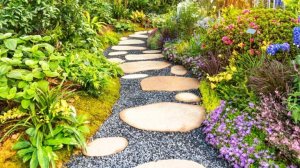
Another way to reduce weeds is to plant more desirable plants. Weeds thrive in bare soil, so covering the ground with wildflowers, vegetables, and herbs leaves less room for them to sprout. This applies to containers and raised beds as well—fill any exposed areas with low-growing plants or climbing vines. Native plants are particularly beneficial for supporting local pollinators and wildlife. Cover crops, such as peas and oats, are excellent for covering empty beds during the off-season and improving soil health.
It's also worth noting that not all weeds are unwanted. Some, like dandelions, mallows, and plantains, have edible or herbal uses. If you choose to keep them, simply harvest their flowers and seed heads before they spread to keep them in check.
Ultimately, the goal is to manage your garden according to your preferences. Whether you pull, pinch, mulch, or plant, these techniques offer a way to control weeds without relying on chemicals, keeping your garden healthy and productive all summer long.