Gardeners often view weeds as unwelcome intruders, but many common plants dismissed as nuisances play vital roles in soil health and human nutrition. Dandelions, clover, and chickweed, among others, offer benefits ranging from enriching the ground to providing edible, nutrient-rich leaves. Understanding these plants can transform the way gardeners approach weeding, turning a chore into an opportunity.
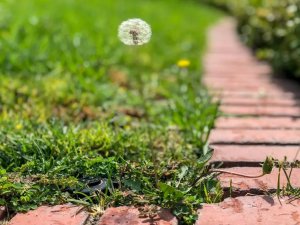
Weeds, by definition, are plants that thrive in spaces where they are not wanted. However, many are native species that have adapted to local climates, and some have properties that make them valuable additions to the garden ecosystem. For instance, dandelions (Taraxacum officinale) are not native to the United States but were brought from Europe for their medicinal properties. Their bright yellow flowers are among the first to bloom in spring, providing essential nectar for pollinators like bees. They also serve as a food source for birds and other wildlife, and their fluff is used by hummingbirds to line nests.
Nutritionally, dandelion greens are packed with vitamins A, B, C, and D, as well as minerals like zinc, iron, and potassium. The plant has a history of medicinal use, including as a diuretic and appetite stimulant. While dandelions are listed as invasive in parts of Oregon and Alaska, their benefits are significant enough that many gardeners intentionally cultivate them.
Clover: A Natural Fertilizer
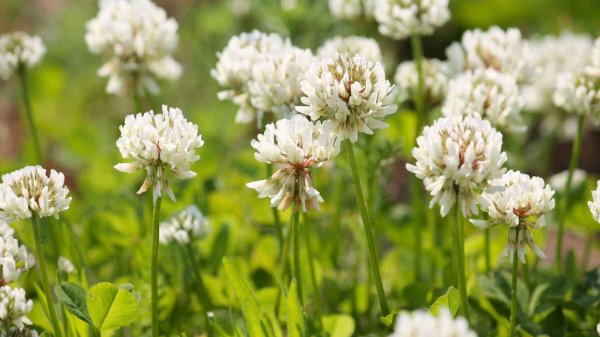
Clover (Trifolium spp.) is another weed with multiple benefits. As a legume, it fixes nitrogen from the air into the soil, acting as a natural fertilizer. This makes it an excellent cover crop, enriching the soil for subsequent plantings. Clover lawns are popular for their drought tolerance and low maintenance, and the lower-growing types, like Dutch white clover, require no mowing. Additionally, clover's deep taproot and fibrous roots improve soil structure and prevent erosion. All parts of the plant are edible, and it is a favorite food for grazing animals and pollinators.
Shepherd's purse (Capsella bursa-pastoris), a member of the mustard family, is another weed with health benefits. It contains sulforaphane, a compound with anti-inflammatory properties, and has been used historically to treat various ailments. The leaves, shoots, and flowers are edible and rich in vitamin C, iron, and calcium, though the seeds should be avoided.
Nutrient-Rich Weeds for the Garden
Lambsquarters (Chenopodium album) is a nutrient-dense plant in the amaranth family, often grown as a food crop in some parts of the world. It is high in vitamins A and C, as well as minerals like iron, manganese, potassium, and calcium. In the garden, it deters leaf miners and enriches the soil with nitrogen and potassium. Its seed heads are a nutritious food source for birds.
Pennycress (Thlaspi arvense), another brassica, is frost-resistant and useful as a cover crop to improve soil structure and fertility. Its roots prevent erosion and protect water quality. The plant is a significant source of protein and amino acids, similar to soy, and its seeds can be processed into biodiesel and aviation fuel.
Mugwort (Artemisia vulgaris) is a more cautious addition, as it can inhibit the growth of nearby plants. However, it is effective at suppressing other weeds and can be used to make a fermented fertilizer. Its volatile chemicals repel insects, making it useful near the garden, though it is difficult to remove once established.
Chickweed (Stellaria media) is a favorite among pollinators and chickens. Its fibrous roots improve soil structure and prevent erosion, and its presence indicates fertile soil. The leaves are rich in vitamins, minerals, and antioxidants, and have been used in salves for skin ailments due to their anti-inflammatory properties.
While these weeds offer numerous benefits, it is important to avoid invasive species and to consult with health professionals before using any plant for medicinal purposes. By recognizing the value of these so-called weeds, gardeners can make informed decisions about what to keep and what to remove, turning a tedious task into a rewarding practice.