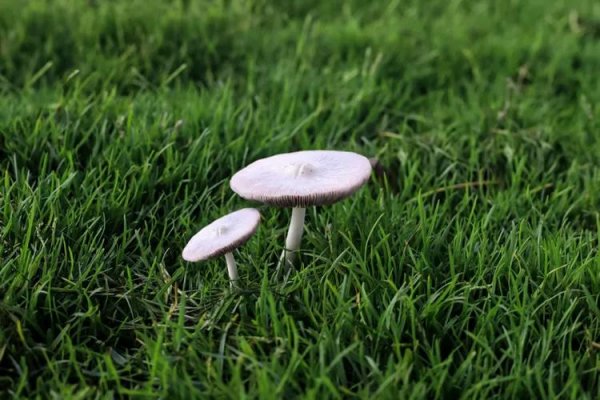
Mushrooms popping up in the lawn can be a nuisance, especially for barefoot walks or when preparing a home for sale. While they rarely harm the grass, their appearance often points to underlying issues like poor drainage, excess shade, or decaying organic matter. Fortunately, you can address the problem without resorting to chemical fungicides.
According to the University of California's Agriculture and Natural Resources department, mushrooms are part of a natural process: they feed on decaying matter in the soil, breaking it down and releasing nutrients that benefit the grass. However, some varieties are toxic to pets and children, and others, like stinkhorns, emit an unpleasant odor. For these reasons, many homeowners prefer to remove them.
Why Mushrooms Appear and How to Remove Them
Mushrooms typically sprout when conditions are damp and shaded, and when there is ample organic material underground—such as pet waste, fallen leaves, grass clippings, thatch, or old tree stumps. The underground network, called mycelium, persists even after the visible mushroom is gone, so removal is about limiting spore spread and reducing future growth.
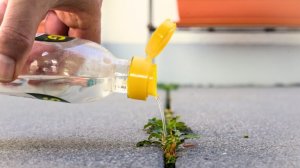
To remove mushrooms, use a small spade to dig up the entire fruiting body, not just the cap. Place each mushroom immediately into a plastic bag and seal it tightly to prevent spores from dispersing. After removal, mix a few drops of liquid dish soap with water in a spray bottle and apply it to the spot where the mushroom was. The soap acts as a mild fungicide.
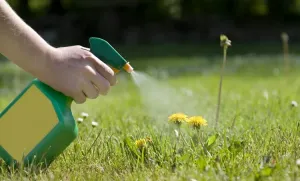
For a stronger natural option, horticultural vinegar diluted with water can be sprayed directly on the mushroom. Wear protective gloves and clothing, as this vinegar can irritate skin. Leave the mushroom to die, or dig it out and respray the area for extra prevention.
Preventing Future Growth
Long-term control requires addressing the conditions that encourage mushrooms. Improving soil drainage is a key step. Look for puddles, muddy patches, or a flat yard that may indicate poor water flow. Solutions include rerouting downspouts, cleaning gutters, or creating a rain garden with rain barrels. For severe flooding, a French drain or dry creek bed may be necessary.
Aerating the lawn—using a manual spike or core aerator for small yards, or renting gas-powered equipment for larger areas—helps water and nutrients penetrate the soil instead of pooling on the surface. Additionally, pruning trees and bushes to let in more sunlight can discourage mushroom growth, as they thrive in dark, damp spots.
Routine lawn maintenance also plays a role. Rake or bag grass clippings after mowing (though a thin layer of fine clippings is generally healthy), remove fallen leaves in autumn, de-thatch regularly, and consider removing old tree stumps that provide a food source for fungus.
For persistent issues, repeated applications of baking soda may help, though it is not a quick fix. In all cases, the goal is to create an environment that is less inviting to fungus while maintaining a healthy lawn.