Aloe vera plants are resilient desert natives, but they are not immune to root rot, a condition most often triggered by excessive watering. When the soil stays soggy, fungi and bacteria multiply, attacking the root system and compromising the plant's ability to absorb water and nutrients. Recognizing the warning signs early and acting decisively can mean the difference between losing the plant and nursing it back to health.
Gardeners may first notice a musty, stagnant odor rising from the pot—an indication that trapped moisture is decomposing organic matter, including the roots themselves. Above the soil line, leaves may turn pale green or yellow, become soft and translucent, or take on a wilted, bent appearance. In advanced cases, the plant's base loses its grip, and the top-heavy succulent topples over.
Diagnosing the Problem Below the Soil
To confirm root rot, carefully remove the plant from its pot and inspect the root system. Healthy roots are firm, thick, and typically yellow, orange, or light brown. Rotten roots, by contrast, appear dark brown to black, feel slimy, and may detach easily or be entirely absent. Fungus gnats—tiny black flies hovering near the soil—are another clue; their larvae feed on decaying matter and can damage roots when populations grow large.
If the infestation is caught early, simply allowing the soil to dry out may curb the gnats. A simple test using a slice of raw potato inserted into the soil overnight can reveal the presence of larvae, which appear as small white worms on the potato's surface.
Steps to Rescue a Rotting Aloe
Once root rot is confirmed, the plant must be removed from its current soil, which should be discarded to prevent reinfection. The pot, if it has drainage holes, can be reused after thorough cleaning and sanitizing. A stiff brush and dish soap remove residual soil, followed by a wipe with 70% rubbing alcohol or a 30-minute soak in a 10% bleach solution (one part bleach to nine parts water).
Pruning tools should be sanitized with the same methods, but note that bleach solutions lose effectiveness when exposed to organic matter, so a fresh batch is needed for each step. After cleaning, trim away all black, mushy, or foul-smelling roots. If any healthy roots remain, repot the aloe in a container with drainage holes, using a well-draining cactus or succulent mix. Water thoroughly once, allowing excess to escape, and place the plant back in its usual spot. New leaf growth may appear within several weeks, signaling recovery.
When All Roots Are Lost
Severe rot can destroy the entire root system, but the plant is not necessarily beyond saving. Using a clean knife, cut the stem horizontally, then remove any discolored or slimy lower leaves, leaving 2 to 3 inches of bare stem. Allow the cut end to dry for a few days until a light tan, papery callus forms—this seals the wound and blocks pathogens.
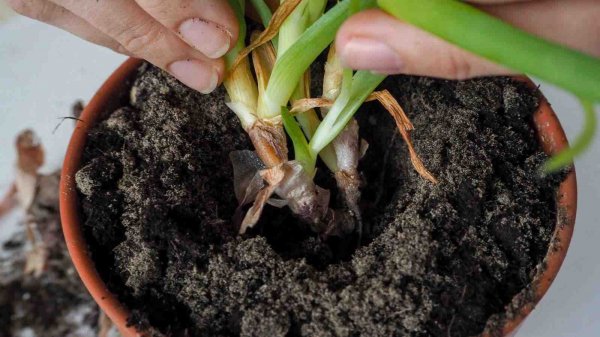
Pot the callused stem in a cactus or succulent mix, pressing it gently into a small indentation so the bottom leaves sit just above the soil line. Place the cutting in bright, indirect light and water lightly, keeping the soil evenly moist but not saturated. New top growth is the first sign that roots have formed, marking the start of a new life for the aloe.