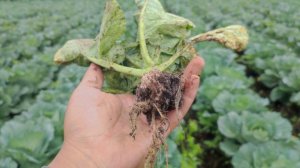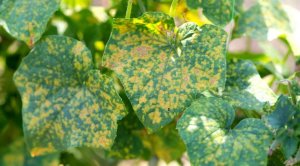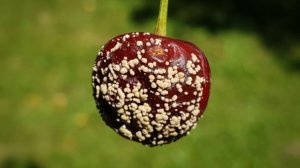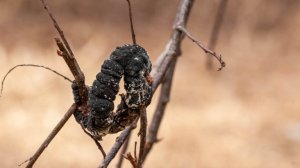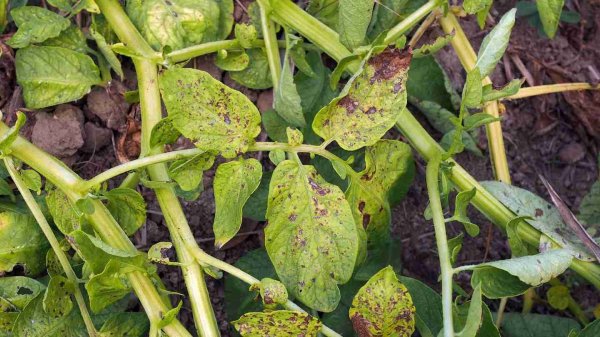
Blight is a catch-all term for a variety of plant diseases that cause rapid discoloration and death of plant tissues, from leaves and stems to fruits and roots. While the specific pathogens differ—bacteria, fungi, and oomycetes—the economic and historical stakes are high. The Irish Potato Famine of the 1840s, the bacterial leaf blight that devastated Asian rice crops in the 1960s, and the southern corn leaf blight epidemic of 1970-71, which caused $1 billion in damages, all trace back to blight pathogens.
Understanding the type of blight affecting your garden is the first step toward effective control. Here, we break down the major categories, their symptoms, and management strategies.
Bacterial Blights: Stealthy Invaders
Bacterial blights are caused by single-celled organisms that often enter plants through natural openings like stomata or through wounds. They can produce toxins that kill plant cells, leading to characteristic spotting and wilting.
Common bacterial blights include:
- Bacterial blight of beans and peas: Caused by Pseudomonas savastanoi and P. syringae, these early-season diseases show up as brown spots on young leaves and can stunt growth. Management includes planting resistant varieties, crop rotation, and using disease-free seed.
- Bacterial leaf blight of rice: Xanthomonas oryzae causes long yellow lesions and wilt, especially during monsoon and typhoon seasons. Resistant varieties and field sanitation are key.
- Common blight: Xanthomonas campestris affects beans and peas, causing water-soaked spots that dry out and form yellow-ringed lesions. Control involves disease-free seed, crop rotation, and avoiding overhead watering.
- Fire blight: Erwinia amylovora attacks pome trees like apples and pears, turning branches black and giving a scorched appearance. Pruning infected branches with sanitized tools is crucial.
- Halo blight: Pseudomonas savastanoi pv. phaseolicola causes halo-like yellow rings on leaves and is a serious seed-borne disease in beans. It is hard to control once established.
Fungal Blights: The Most Common Culprits
Fungi are the leading cause of plant diseases, with over 8,000 pathogenic species. Fungal blights often thrive in humid, wet conditions and can overwinter on plant debris.
- Chestnut blight: Cryphonectria parasitica nearly wiped out American chestnuts, killing over 3.5 billion trees by the 1940s. The fungus enters through bark, causing cankers that girdle the tree. Hybrid varieties with resistance are being developed.
- Coryneum blight (shothole): Wilsonmyces carpophilus affects stone fruits and almonds, causing holes in leaves and purple spots on fruit. Pruning during dormancy and fungicide applications are recommended.
- Early blight: Alternaria solani affects tomatoes and potatoes, causing brown lesions with concentric rings, often called “bullseye.” Controlling weeds, improving airflow, and avoiding overhead watering help manage it.
- Botrytis blight (gray mold): Botrytis cinerea attacks ornamentals like roses, causing fuzzy gray mold on flowers and leaves. Sanitation and increased airflow are the best controls.
- Leaf blight of grasses and wheat: Ascochyta and Alternaria species cause rapid browning of turf and wheat. Hot-water seed treatment can reduce fungal presence in wheat.
- Southern corn leaf blight: Cochliobolus heterostrophus causes elongated lesions on corn leaves, especially in rainy weather. Fungicide sprays during flowering can help.
Oomycete Blights: Water Molds
Oomycetes, or water molds, are a distinct group of pathogens more closely related to algae than fungi. They thrive in wet conditions and are among the most destructive.
Late blight (Phytophthora infestans) is the most infamous, causing the Irish Potato Famine. It starts as water-soaked spots on leaves that rapidly turn black, and can kill a plant in days. Tomatoes are also susceptible. Control relies on good drainage, air circulation, and removing all tubers to prevent overwintering.
Citrus blight is a decline disease of unknown cause, affecting trees in Florida and Brazil but not arid regions like California. It blocks water transport, leading to wilt and unproductivity.
Prevention and Management
Preventing blight starts with sourcing disease-free plants and seeds from certified providers. Crop rotation with non-host plants, removing infected debris, and avoiding overhead watering are universal best practices. For specific blights, targeted measures like pruning, fungicides, and resistant varieties are effective. Early detection and rapid action are crucial to limiting spread.