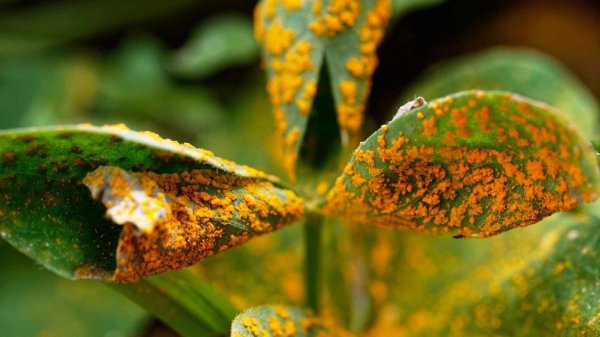
Gardeners across the United States face a persistent threat from rust fungi, a group of pathogens that can stunt growth and reduce yields in both ornamental and food crops. With an estimated 7,000 known species, rust fungi have co-evolved with plants for hundreds of millions of years, and many remain undiscovered, particularly in tropical regions. While rarely fatal, these infections can significantly weaken plants, making them more vulnerable to other pests and diseases.
Rust diseases are caused by obligate parasites that depend on living hosts to survive. Unlike metal rust, the orange, red, or brown patches on leaves are actually clusters of spores. These fungi absorb nutrients through thread-like hyphae, forming a mycelium that can be visible on infected tissue. The fungal kingdom is vast, and rust fungi have been studied extensively because they attack economically important crops such as corn, grains, coffee, and sugarcane.
Complex Life Cycles and Overwintering
Rust fungi have intricate life cycles, often involving five distinct spore stages and two unrelated host plants. For example, wheat stem rust, caused by Puccinia graminis f. sp. tritici, produces urediniospores that can reinfect plants every two weeks, leading to rapid spread. As the season ends, teliospores form, which overwinter and later initiate sexual reproduction on an alternate host, such as barberry for wheat stem rust. This means that infections can persist year after year if infected plant debris is not removed.
For home gardeners, this underscores the importance of sanitation. Infected leaves and stems should be removed and disposed of, not composted, to prevent the disease from returning.
Recognizing Symptoms
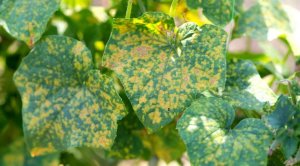
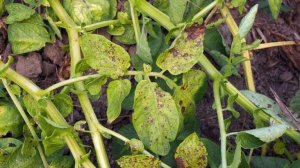
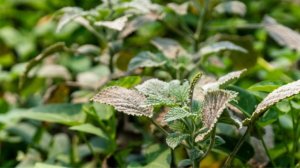
Symptoms typically appear from late summer to autumn as powdery pustules on leaves and stems, ranging in color from orange and red to yellow and brown. Roses, carnations, asters, geraniums, and snapdragons are common ornamental hosts, while turfgrass can develop yellow spots on blades. In severe cases, leaves may drop prematurely, and the disease can spread to flowers and fruit.
Management and Prevention
Managing rust involves a combination of cultural practices and, if necessary, fungicides. At the first sign of infection, remove affected plant parts to reduce spore spread. For gardens with a history of rust, preventative fungicide applications should begin at the start of the growing season, with treatments every seven to ten days for five to six applications. Organic options include sulfur-based products, though copper-based fungicides can also be effective.
Prevention is often the most effective strategy. Selecting resistant plant varieties is key, such as rust-resistant bluegrass or perennial ryegrass for lawns, and bean cultivars like 'Kentucky Blue Wonder' or 'Golden Wax'. Proper spacing to improve airflow, avoiding overhead watering, and using drip irrigation to keep foliage dry can also reduce infection risk. For localized advice, gardeners can consult their state's extension office.
While rust fungi can be a nuisance, they are not harmful to humans or pets. Lawn rust may resolve on its own with proper care, including deep watering and appropriate mowing heights. However, because the fungus overwinters, vigilance and consistent garden hygiene are essential to keep it at bay.