Brown rot, a fungal disease complex caused by three closely related species of Monilinia, remains one of the most significant threats to stone fruit production worldwide. Affecting peaches, cherries, plums, and apricots, the disease can devastate crops both in the field and after harvest, leading to substantial economic losses for growers. First documented in 1796, the pathogen was later classified under the genus Monilinia in 1928, which now encompasses about 25 species, with M. laxa, M. fructigena, and M. fructicola being the primary culprits in fruit infections.
The disease thrives in warm, humid conditions, making fungicide applications a routine part of stone fruit cultivation. While the three species have distinct geographic ranges and host preferences, they share similar life cycles and respond to the same control measures. M. laxa is prevalent in California, across most of the U.S. (excluding southeastern states), and in Europe, South Africa, and Chile, where it is known as European brown rot. M. fructicola is found in Europe, the Americas, Japan, New Zealand, and Australia, while M. fructigena primarily affects pome fruits like apples and pears in Europe, though it is less destructive than its counterparts.
Understanding the Disease Cycle
The fungus overwinters in cankers on twigs or in mummified fruits that remain on the tree or fall to the ground. With the arrival of warm, wet spring weather, the disease cycle begins. In sexual reproduction, mummified fruits produce cup-shaped structures called apothecia, each about 5-20 mm in diameter, which release millions of ascospores when disturbed by rain. These spores infect blossoms, germinating within hours if the plant surface remains wet. Asexual reproduction occurs through conidia produced on cankers, which can infect new tissue within 3-5 hours and are spread by wind, rain, and insects. As fruits ripen, their higher sugar content attracts more insects, increasing wound sites and susceptibility.
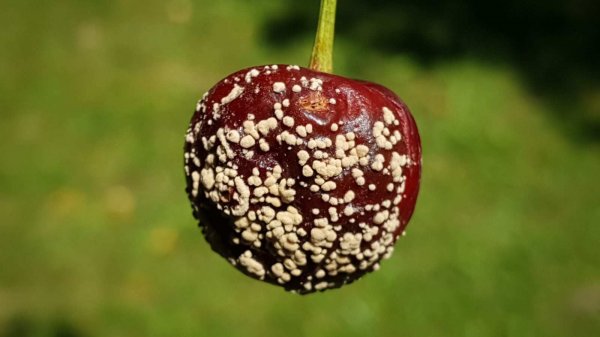
Symptoms of brown rot are consistent across affected plants. Blossom blight appears in early spring, causing blossoms to wilt, turn brown, or become covered in spores. Infected blossoms can lead to cankers on stems, which disrupt water and nutrient flow, resulting in twig dieback. Mature fruits develop soft brown spots that rapidly expand, often covered in gray fuzz, and may shrivel into mummified forms post-harvest.
Integrated Control Strategies
Effective management of brown rot combines cultural practices, sanitation, and chemical treatments. During the dormant season, growers should prune and remove cankers, sanitizing tools between cuts with a 10% bleach or 70% alcohol solution for at least 30 seconds to prevent disease transmission. Controlling insects through integrated pest management reduces wound sites that facilitate infection. Careful handling of ripe fruit during harvest and immediate refrigeration interrupt the disease cycle, as cold storage halts fungal development.
Fungicides are typically applied at the start of the season to prevent blossom blight and later to protect fruit. Copper fungicide is the most commonly used treatment against most Monilinia species. However, sanitation remains the cornerstone of prevention. Removing dropped or infected fruit, avoiding composting infected material, and eliminating wild hosts like wild prunes near the orchard reduce the fungal reservoir. Pruning to improve air circulation and thinning fruits to prevent contact between them also help.
For growers facing chronic brown rot issues, planting resistant peach cultivars such as Elberta, Glohaven, and Babygold No. 5 offers a preventative solution. While complete eradication is difficult due to the microscopic spores, diligent management can significantly mitigate losses. Brown rot is not lethal to trees, but its economic impact is substantial, making proactive measures essential for sustainable stone fruit production.