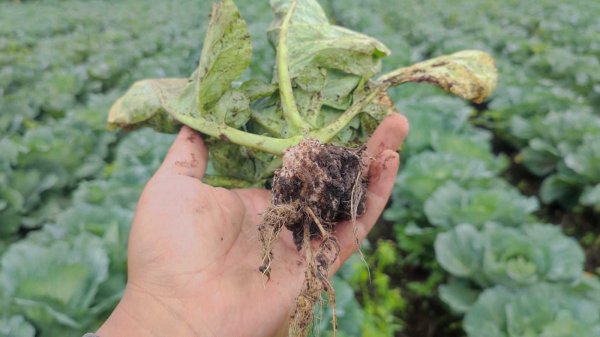
Clubroot, a destructive disease affecting a wide range of cruciferous vegetables, is caused by the soil-borne protist Plasmodiophora brassicae. Unlike fungal or bacterial pathogens, this organism is a eukaryotic protist, a relatively rare type of plant pathogen that also affects other economically important crops such as potatoes, beets, and grains. The disease is notorious for its persistence, with resting spores capable of surviving in soil for up to two decades, making eradication nearly impossible once established.
The impact on agriculture is significant. Around 300 brassica species are susceptible, including cabbage, Brussels sprouts, broccoli, and canola, a major oilseed crop. Infected roots develop characteristic galls or club-shaped deformities, which disrupt water and nutrient uptake, leading to yellowing, wilting, stunted growth, and premature plant death. The pathogen reprograms host cells to divert nutrients for its own reproduction, eventually causing root disintegration and releasing spores back into the soil.
Understanding the Pathogen's Life Cycle
The life cycle of P. brassicae is complex and not fully understood, though recent genomic sequencing has provided new insights. It involves three key stages: zoospore formation, plasmodia development inside host cells, and resting spore production. The cycle begins when resting spores germinate and release primary zoospores that infect root hairs. These zoospores penetrate cell walls and form primary plasmodia, which later produce secondary zoospores. These secondary zoospores invade the root cortex, triggering the characteristic swelling and gall formation. Eventually, the secondary plasmodium divides into multinuclear plasmodia, which mature into resting spores that are released into the soil as the plant decays.
Identifying Symptoms and Controlling Spread
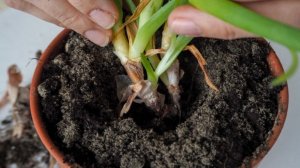
Above-ground symptoms of clubroot are similar to many other plant diseases, making early detection challenging. Yellowing leaves, wilting, and reduced yield are common, but the definitive sign is the swollen, club-like roots. To confirm infection, carefully dig up the plant, keeping the root system intact for inspection. If clubroot is suspected, it is crucial to remove and dispose of infected plants properly—never compost them, as spores can survive the composting process. Also, eliminate susceptible weeds like wild mustard, which can serve as alternative hosts.
Sanitation is vital to prevent further spread. Tools and equipment should be sanitized with a 1:9 bleach-to-water solution. The pathogen can also be transmitted through contaminated soil, water erosion, and even strong winds, so careful management of soil movement is necessary. Infected soil should not be used for cabbage family crops for at least five to seven years, though it remains suitable for nonhost plants.
Prevention and Long-Term Management
Prevention is the most effective strategy against clubroot, as eradication is impractical. Key factors that exacerbate the disease include high soil moisture, low soil pH, and soil temperatures between 68-77°F (20-25°C). Raising soil pH above 7 by adding lime can help reduce disease severity. Improving soil drainage also reduces root damage and susceptibility. Additionally, using clubroot-resistant hybrids of broccoli, cauliflower, Chinese cabbage, and rutabaga can be an effective measure. For transplants, growing them in sanitized soil or a soilless medium prevents introducing the pathogen. Implementing integrated pest management practices, including controlling root-feeding pests, further supports plant health and reduces disease risk.
While clubroot is a formidable challenge, a combination of vigilant monitoring, crop rotation, soil management, and resistant varieties offers the best defense. For growers, understanding the pathogen's biology and persistence is the first step toward protecting their crops and soil for the long term.