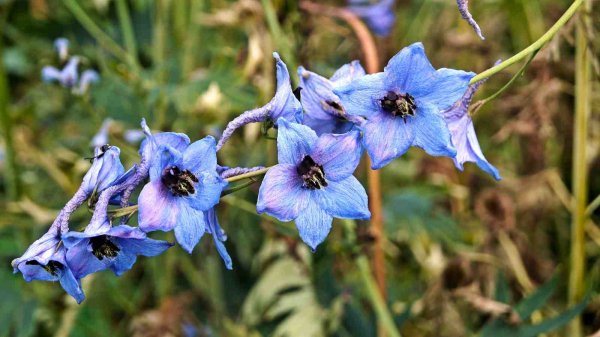
Delphiniums, with their towering spikes of vivid blue flowers, are a garden standout, but they come with a catch: they are prone to a range of diseases, especially when conditions turn wet. From root rot to powdery mildew, these ailments can quickly undermine the health of the plant. Knowing what to look for and how to respond is key to keeping these perennials thriving.
While delphiniums are relatively low-maintenance in the right setting, they can be finicky about their environment. They prefer cooler summers and often struggle in hot, humid regions, where they may behave as spring annuals before dying back. Native species like Delphinium carolinianum, also known as blue larkspur, are more resilient and self-seed readily, but the commonly cultivated hybrids, especially D. elatum and its relatives, are more susceptible to disease.
Setting the Stage for Healthy Growth
To reduce the risk of disease, delphiniums need the right foundation. They thrive in full sun to partial shade, with at least four hours of sunlight daily—six hours is better for disease prevention. The soil should be organically rich and well-drained, with even moisture that allows the top inch or two to dry between waterings. Tall varieties benefit from staking and protection from strong winds.
Overwatering is a common misstep that invites trouble. Delphiniums have long taproots that can reach moisture deep in the soil, so they tolerate short dry spells. But when roots sit in soggy ground, they become vulnerable to rot.
Root and Crown Rot: A Silent Threat
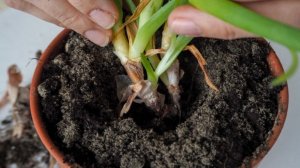
Root rot and crown rot are serious problems in warm, humid conditions or where drainage is poor. Pathogens like Erwinia and Phytophthora attack the feeder roots, leaving them unable to absorb water and nutrients. Symptoms include yellowing, wilting leaves and stems that look drought-stressed even when the soil is wet. Inspect the roots and crown: healthy roots are white, while rotting ones turn yellow or brown. Brown patches or lesions at the base of the stems indicate crown rot.
Treatment is tricky. In early stages, you can cut away brown areas and lift the plant to trim decaying roots. Replanting in a higher, better-drained spot may help, but delphiniums are sensitive to root disturbance. If the plant is severely affected, removal is often the only option.
Prevention is far more effective. Water at the base of the plant, not overhead, and avoid splashing the foliage. Improve air circulation and ensure the crown is not buried too deeply—plant slightly above soil level to compensate for settling. Raised beds or mounds can also improve drainage.
Powdery Mildew and Botrytis: Fungal Foes
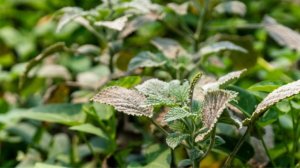
Powdery mildew, caused by the fungus Erysiphe betae, appears as a grayish-white coating on leaves, stems, and buds. It thrives in stagnant air and spreads via wind, contaminated tools, and water splash. Early detection allows for treatment: remove infected leaves and dispose of them away from the garden. Horticultural oils like neem can stop the spread, but be mindful of beneficial insects.
Botrytis, or gray mold, is another common issue, showing up as watery spots and fluffy mold on petals and leaves. It flourishes in cool, damp conditions, especially in spring and fall. Neem oil and potassium bicarbonate can help, but the fungus can develop resistance, so combining treatments with beneficial soil microbes like Trichoderma and Cladosporium is advised.
Bacterial Leaf Spot and Aster Yellows
Bacterial leaf spot causes brown or black spots with tan centers that expand over time. It spreads in wet conditions, so keeping leaves dry and ensuring good spacing are key. Remove affected leaves and sanitize tools with a 70% isopropyl alcohol solution to prevent further spread.
Aster yellows, a phytoplasma spread by leafhoppers, is more serious. Infected plants show distorted growth, yellowing, and malformed greenish flowers. There is no cure in the home garden; the best approach is to remove and dispose of infected plants to protect neighbors.
Overall, the best defense against delphinium diseases is a combination of good cultural practices: proper spacing, careful watering, and maintaining healthy soil. By staying vigilant and acting quickly, gardeners can enjoy the spectacular display these plants offer.