As winter settles in, greenhouse operators face a hidden adversary: fungal pathogens that thrive in the enclosed, humid conditions typical of the season. From powdery mildew to root rot, these diseases can compromise entire crops if left unchecked. While greenhouses vary in their environmental controls—from fully automated systems with humidifiers and heaters to simple hoop houses that merely buffer the cold—all can benefit from proactive fungal management.
The key to prevention lies in understanding the conditions that favor fungal growth. Most fungi flourish in wet, humid environments, making proper ventilation and airflow critical. Additionally, ensuring adequate lighting and maintaining a clean growing space are foundational steps. A regular cleaning schedule, whether yearly or biannual, helps keep the greenhouse in optimal condition. This includes removing leafy debris, washing glass panes, and replacing worn plastic covers on hoop houses.
Common Fungal Pathogens and Their Management
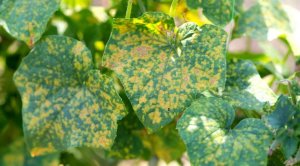
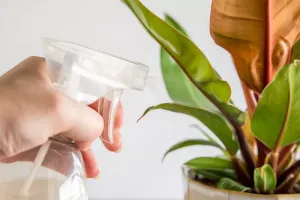
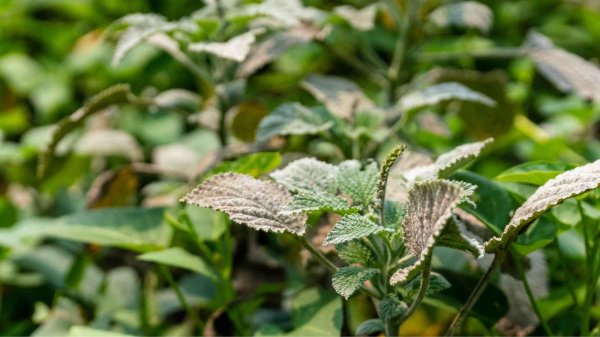
Powdery mildew is a frequent intruder, recognizable by white or gray fuzzy spots on leaves and shoots. It spreads via wind-borne spores, and while it often spares fruits, it can cause yellow and brown leaf spots on tomatoes, onions, and peppers. Prevention focuses on maximizing sunlight exposure, as extreme heat and direct sun inhibit spore survival. Regular cleaning and sterilizing tools also help. If an infection appears, early intervention is crucial: prune affected growth and apply organic fungicides such as horticultural oil, potassium bicarbonate, or neem oil, following label instructions.
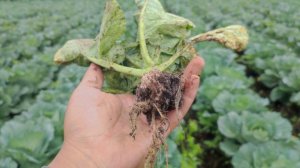
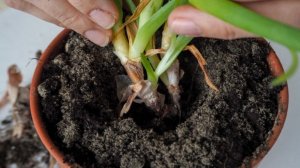
Root rot is another major concern, often caused by water molds like Phytophthora and Pythium, as well as true fungi such as Rhizoctonia. These pathogens attack roots in overly wet soil, leading to decay and plant death. Symptoms include yellowing leaves, mushy tissue, and foul-smelling roots. Overwatering is the primary trigger, so well-drained soil is essential. For chronic issues, raised beds with fresh soil and compost may be beneficial. Treatment is challenging; reducing watering, trimming dead roots, and repotting may help. Adding beneficial mycorrhizae at planting can bolster plant defenses.
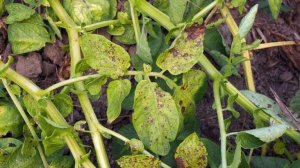
Fusarium wilt thrives in warm soil, making winter greenhouses an ideal environment. It affects nightshade crops like tomatoes, eggplants, and peppers, as well as cucumbers and melons. The fungus persists in soil for years via chlamydospores. Prevention involves using sterile soil, avoiding contaminated dirt, practicing crop rotation, and limiting nitrogen. Treatment is difficult; quarantine infected plants and avoid replanting susceptible species in the same area for several years. Some seed varieties offer resistance.
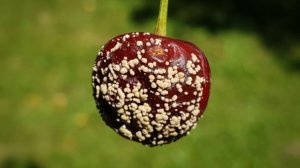
Botrytis blight, or gray mold, is another common issue, appearing as fuzzy gray growth on dead tissue before spreading to living plants. Good cultural practices—spacing plants for airflow, maintaining a dry environment, and removing dead material—are key. Once symptoms appear, remove infected tissue and quarantine. Organic copper fungicides can prevent future outbreaks, but rotating fungicide types is important to avoid resistance.
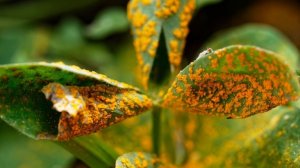
Rust fungi present as orange, patchy spots on leaves and stems, often on ornamentals like hollyhocks and chrysanthemums. They overwinter on debris, so sanitation is vital. Grow resistant varieties, ensure good spacing, and use fans to reduce humidity. If rust appears, remove and dispose of infected tissue. Copper and sulfur fungicides can help, but avoid spraying edible crops close to harvest.
Ultimately, successful fungal management in winter greenhouses hinges on vigilance and consistent cultural practices. By maintaining cleanliness, optimizing airflow, and monitoring moisture levels, growers can significantly reduce the risk of these pervasive diseases.