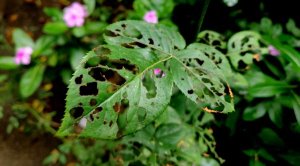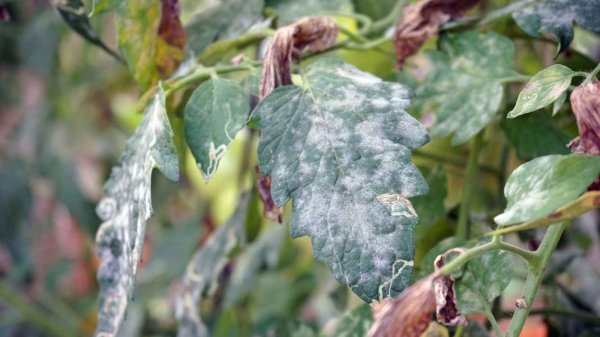
As late summer arrives, many gardeners notice a familiar white-gray fuzz creeping across their plants' leaves. This is powdery mildew, a fungal disease that thrives in warm, humid conditions. While it may look alarming, there are several effective, organic strategies to control its spread and keep your garden healthy through the season.
Powdery mildew is not a single fungus but a group of related fungi that target different hosts, from vegetables to ornamental trees. It spreads through spores that can travel on wind, water, or even garden tools. Early intervention is key, as small infestations are easier to manage than widespread outbreaks.
Start with Prevention: Spacing, Watering, and Sunlight
One of the simplest preventive measures is giving plants enough space. Good airflow between plants reduces humidity and makes it harder for spores to settle. If plants are already crowded, pruning excess leaves on crops like cucumbers, tomatoes, and watermelons can improve circulation. For trees and shrubs, consider their mature size when planting to avoid future overcrowding.
Watering practices also play a crucial role. Overhead watering can splash spores onto leaves and increase humidity, creating ideal conditions for the fungus. Instead, water at the base of plants using drip irrigation or olla pots, which deliver moisture directly to the roots without wetting the foliage. This not only reduces disease pressure but also conserves water.
Sunlight is another ally. Many plants that prefer full sun become more susceptible to mildew when grown in shade. Ensure vegetables receive at least six to eight hours of direct light daily. For shade-loving plants like hydrangeas, partial shade (two to six hours of sun) can still help reduce infection rates.
Soil Health and Nutrient Management
Healthy soil supports strong plants that are better able to resist disease. Adding mulch or compost serves two purposes: it prevents soil-borne spores from splashing onto leaves, and it enriches the soil with beneficial microorganisms that outcompete pathogens. Organic mulches like straw, wood chips, or leaf mold break down over time, so replenish them regularly.
Fertilization requires balance. Too much nitrogen, for example, encourages lush foliage that reduces airflow and provides more surface area for mildew. Conduct a soil test to determine exactly what nutrients your garden needs, and avoid over-fertilizing. If you have been composting consistently, your soil may already have enough nutrients.
Treatment Options: Pruning and Organic Sprays
If mildew has already appeared, prune off infected leaves and dispose of them away from the garden. Be careful not to shake the leaves, as this can release spores. Only prune plants with enough foliage to recover; heavily defoliated plants may not benefit from pruning.
For persistent infections, several organic sprays can be effective. Potassium bicarbonate, mixed with a garden-safe soap and water, is a popular choice that does not harm pollinators. Milk spray, made by diluting one part milk with two parts water, works by destroying spores with its salts and amino acids, though it may produce an odor in hot climates. Bacillus subtilis, a beneficial bacterium, is another option certified for organic use. Neem oil acts more as a preventative measure, while sulfur spray can be applied weekly until the fungus clears. Always spray in the early morning or at dusk to avoid leaf damage, and mix only what you need, as solutions lose potency over time.
When to Remove Plants and Choosing Resistant Varieties
In severe cases, especially with annual vegetables like tomatoes, squash, and watermelons, it may be best to remove heavily infected plants. Pull them up or cut them at the base, and do not compost them, as spores can survive. Replace them with disease-resistant varieties or plant fall crops like beets, chard, or spinach if the season allows.
Looking ahead, selecting resistant varieties can save you future trouble. Seed labels often indicate powdery mildew resistance. Examples include 'Emerald Delight' summer squash, 'Contender' bush beans, and 'Muncher' cucumbers. Some crops, like watermelons, have natural resistance. By combining these tactics, you can keep your garden productive and healthy as summer ends.