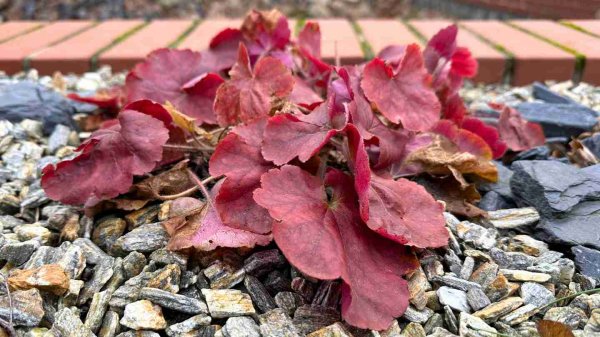
Gardeners who prize coral bells for their vivid foliage and delicate flower stalks may notice their plants looking stressed despite regular care. Known botanically as heuchera, these perennials are generally hardy and low-maintenance, but they can decline when environmental conditions, planting mistakes, or pests intervene. Recognizing the early warning signs and knowing the right corrective actions can help keep these shade-loving plants thriving.
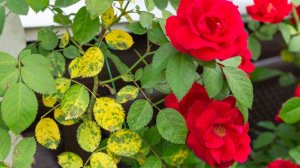
Heuchera naturally fits into woodland gardens, where it receives morning sun and afternoon shade. It tolerates full afternoon shade and, in cooler zones three through five, can sometimes handle a full day of sun. However, in warmer climates, too much direct light causes leaves to yellow or brown, especially at the edges. If crispy leaf margins appear, the plant is likely in the wrong spot. The solution is to relocate it to a shadier area, ideally in spring or fall. Summer moves are possible if the soil is kept consistently moist for two weeks after transplanting.
Soil and Water: The Root of Many Problems
One of the most frequent heuchera issues is planting in soil that drains poorly. Compacted or waterlogged ground restricts gas exchange around the roots, hampers nutrient uptake, and encourages fungal diseases. Signs include water pooling on the surface, yellowing leaves, stunted growth, mushy roots, and wilting. Gardeners can test drainage by pressing a finger into the soil; if it feels hard, compaction is likely. Loosening the soil with a digging fork or broadfork, keeping the tines at least six inches from the plant, can help. Adding compost or worm castings to the top few inches improves aeration. If drainage remains poor, moving the plant to a spot where water soaks in readily is a more permanent fix.
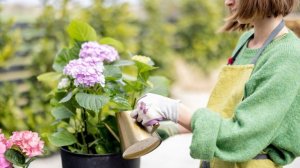
Overwatering is a separate but related mistake. Even in well-draining soil, watering too frequently stresses the roots, leading to soft, mushy stems, wilting, and slow growth. Heuchera prefers consistently moist soil, but that does not mean daily irrigation. In shaded or partially shaded locations, watering once a week is often sufficient. Gardeners should check the top inch of soil and water only when it feels dry.
Fungal Rust and Temperature Stress
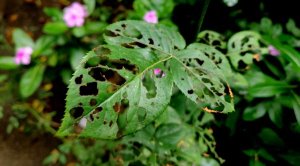
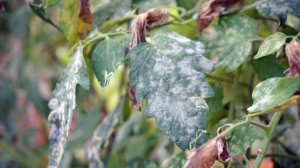
Heuchera is not prone to many diseases, but it can be affected by rust caused by the fungus Puccinia heucherae, which targets members of the Heuchera and Saxifraga families. Symptoms include small brown spots on leaf tops and orange, raised bumps on the undersides that release rusty spores. While rust rarely kills the plant, it can weaken it and stunt growth. Infected leaves should be removed and disposed of. To prevent future outbreaks, avoid overhead watering, space plants for good airflow, and clean up fallen foliage so the fungus cannot overwinter.
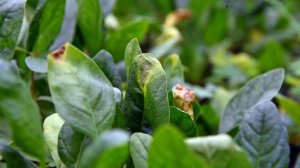
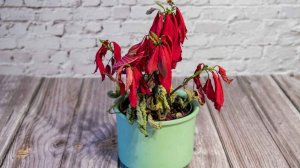
Sudden temperature swings, particularly an early warm spell followed by a cold snap, can damage heuchera leaves, turning them black or brown and mushy. This damage is not reversible, so affected parts should be pruned away with sanitized clippers to encourage new growth. Mulching around the base with wood chips, hay, or straw helps insulate roots and buffer soil temperature changes. For unexpected cold spells, covering plants with a floating row cover, blanket, or burlap can offer protection, but the cover must be removed once temperatures moderate.
By addressing these common issues—light exposure, soil drainage, watering frequency, fungal rust, and temperature stress—gardeners can help their coral bells recover and continue to provide color and texture in shaded borders.