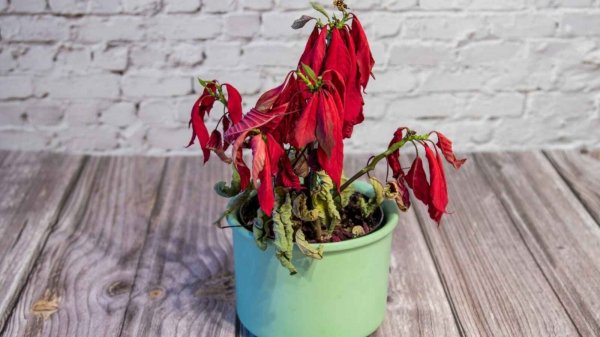
Poinsettias, a staple of holiday décor, can quickly lose their appeal when their leaves begin to yellow. This common issue often signals that the plant's environment or care routine needs adjustment. Understanding the underlying causes—ranging from temperature swings to watering practices—can help owners restore their plant's health and enjoy its color throughout the season.
Native to the deciduous forests of Central America and Mexico, poinsettias thrive in conditions quite different from typical indoor environments. They prefer steady temperatures between 65 and 75 degrees Fahrenheit, bright but indirect light, and moderate humidity. When these conditions are not met, the plant responds by showing stress through its foliage.
Temperature and Drafts
One of the most frequent reasons for yellowing leaves is exposure to fluctuating temperatures. Placing a poinsettia near an entryway, drafty window, or heat source like a radiator can cause rapid changes that stress the plant. Cold blasts from opening doors or intense heat from appliances can lead to drooping and discoloration. To mitigate this, position the plant in a sheltered spot away from drafts and heat vents. While nighttime temperatures can be slightly cooler, they should remain within the preferred range. Once a location is chosen, avoid moving the plant frequently, as constant changes add stress.
Watering and Drainage
Improper watering is another leading cause of yellow leaves. Both overwatering and underwatering can trigger discoloration. Poinsettias require excellent drainage; keeping them in decorative nursery sleeves without holes can trap water, leading to soggy soil and root rot. To prevent this, remove the sleeve or poke holes in the bottom to allow excess water to escape. When watering, check the soil by inserting a finger about three inches deep—if it feels dry, it's time to water thoroughly until water flows from the bottom, then let it drain completely. In humid environments (55%-75% relative humidity), watering frequency will be lower.
Light Exposure
Poinsettias need at least 6-8 hours of bright, indirect sunlight daily. Too much direct sun can scorch leaves, while too little light causes wilting and color loss. Ideal spots include east- or south-west-facing windows. If natural light is insufficient, artificial grow lights can supplement. Avoid strong afternoon sun, and if scorched leaves appear, prune them with gloves to prevent rot.
Fertilizer and Pests
Over-fertilizing during the holiday season can harm poinsettias, as they are preparing for dormancy. The soil from the original pot usually contains enough nutrients, so additional feeding is unnecessary. Pests like whiteflies, spider mites, and fungus gnats can also cause yellowing by feeding on the plant. Inspect new plants for signs of infestation, and if pests appear, use sticky traps or gently wipe leaves with a soft cloth. Avoid pesticides indoors due to health risks.
Natural Dormancy
Finally, yellowing leaves may simply indicate that the plant is entering its natural dormancy phase after 5-8 weeks of color. This is a normal part of its life cycle, and with proper care, the plant can be kept year-round to bloom again next season.
By addressing these factors—temperature stability, proper watering, adequate light, and pest control—poinsettia owners can often reverse yellowing and maintain a vibrant display throughout the holidays.