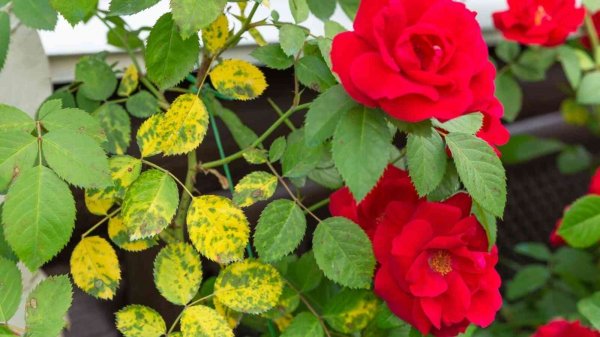
When a rose bush's glossy green leaves begin to fade to yellow, many gardeners worry that their plant is in serious trouble. In most cases, however, the condition is a warning sign rather than a death sentence. By examining the pattern of yellowing and the plant's environment, you can often pinpoint the cause and take corrective action.
Rose foliage can yellow for a variety of reasons, ranging from cultural practices to environmental stress and pests. The good news is that many of these issues are treatable and preventable with a bit of knowledge about your climate, soil, and the common pests that affect roses.
Sunlight and Shade Imbalances
Roses generally require 6 to 8 hours of direct sunlight each day to produce healthy green leaves. If a rose is shaded by overhanging trees or structures, the lower and interior leaves may yellow and drop. Dense foliage at the top of the bush can also block light from reaching inner leaves. The fix is straightforward: trim back surrounding plants or prune the rose itself to improve air circulation and light penetration. If moving the rose is necessary, do so in early spring while the plant is still dormant to minimize stress.
Watering: Too Much or Too Little
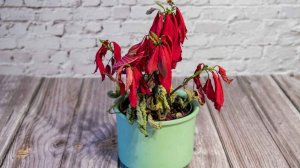
Overwatering is a common culprit. Roses prefer to dry out between waterings; when soil stays soggy, roots can rot and fail to absorb nutrients, leading to yellow leaves and wilting. To correct this, water deeply but infrequently—mature roses typically need 2 to 4 gallons once a week, depending on size. Check soil moisture by pushing your fingers 1 to 2 inches into the ground; if it's still damp, wait. If heavy rain is the issue, amend the soil with organic matter like compost, shredded bark, or leaf mold to improve drainage.
On the flip side, drought stress also causes yellowing, often with brown edges on leaves. During dry spells, increase watering to twice a week, giving a deep soak at the base for 10 to 15 minutes. For potted roses, submerge the entire container in a larger bucket of water for a few hours to rehydrate roots. Applying a thick layer of mulch—such as cedar wood, compost, or leaf mold—helps retain soil moisture and reduce evaporation.
Heat Stress and Environmental Factors
Roses love sun but can struggle when temperatures climb above 85°F, especially after transplanting. Heat stress leads to small blooms, drooping, and yellow leaves with brown tips. Consistent heat above 95°F accelerates moisture loss, slows photosynthesis, and depletes the sugars needed for growth. To keep roses cool, choose a spot with morning sun and afternoon shade, or use shade cloth during the hottest part of the day. Mulching also keeps roots shaded and cool.
Disease and Pest Pressures
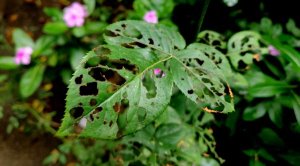
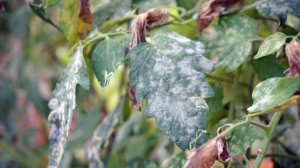
Foliar diseases like black spot and rose mosaic virus cause distinctive yellowing patterns. Black spot appears as irregular black or brown splotches with yellow halos, often starting on lower leaves and spreading upward. It thrives in wet, humid conditions and can be managed by removing infected foliage, clearing debris, and watering at the base to keep leaves dry. A homemade spray of 2 teaspoons baking soda and 2 teaspoons vegetable oil in 1 gallon of water may help prevent infection. Rose mosaic virus, which causes mottled yellow patterns, cannot be cured but won't spread to other plants; if the rose stops blooming, consider replacing it.
Spider mites, tiny pests that prefer hot, dry weather, also cause yellow and bronze leaves. Check the undersides of leaves for fine webs. Knock them off with a strong spray from a hose, and keep plants well-hydrated. Avoid synthetic pesticides, which kill beneficial predators like lacewings and predatory mites.
Nutrient and Fertilizer Issues
Yellowing can also stem from nutrient deficiencies. Iron deficiency causes pale yellow leaves with green veins, starting at the top, often due to alkaline soil (pH above 6.5). Nitrogen deficiency results in uniform light yellow-green leaves from the bottom up, often when soil is too acidic (pH below 6). A soil test kit can identify the problem. Amend with chelated iron for iron deficiency, or add lime to raise pH. For nitrogen, work in blood meal or coffee grounds.
Conversely, too much fertilizer—especially synthetic—can burn roots and kill beneficial soil bacteria, leading to yellow leaves. Avoid fertilizing newly planted roses; wait until they leaf out in spring, then feed again in midsummer and before the last fall flush. Prefer organic options like compost or manure.
Herbicide damage is another possibility, often from glyphosate products or lawn weed-and-feed formulas that drift onto roses. Symptoms include small, distorted, yellow leaves and twisted buds. If this occurs, stop fertilizing, keep the plant well-watered, and wait to see if it recovers. To prevent damage, avoid chemical weed killers near roses and pull weeds manually.
Ultimately, yellow leaves are a signal that something is off. By paying attention to sunlight, watering, soil health, and pests, you can often restore your roses to vigor. A balanced approach—providing sun, deep infrequent watering, rich organic soil, and good airflow—goes a long way in keeping roses healthy.