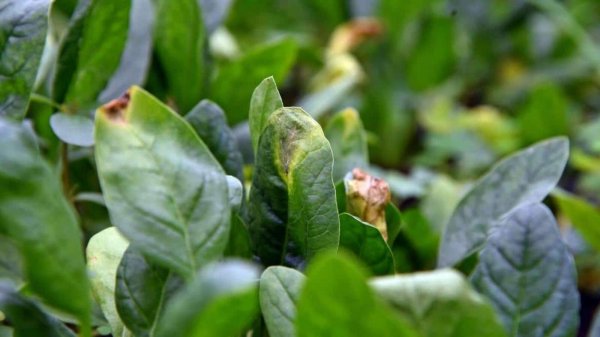
Spinach, a favorite among home gardeners for its ease and nutritional value, can still encounter problems. Yellowing or whitening leaves are common distress signals, but they often point to correctable issues rather than a doomed crop. Understanding the underlying causes—from nutrient imbalances to fungal infections—is key to effective intervention.
Yellow leaves are frequently a sign of stress that can be reversed with timely care, while white leaves typically indicate a more serious fungal problem. Recognizing the difference and acting promptly can save your harvest.
Nutrient Deficiencies and Fertilizer Missteps
A lack of essential nutrients is the most frequent reason spinach leaves turn yellow. Plants require a balance of macronutrients (nitrogen, phosphorus, potassium), secondary nutrients (calcium, magnesium), and micronutrients (iron, boron). Nitrogen deficiency, in particular, hampers chlorophyll production, leading to yellowing. Boron deficiency can also cause yellowing and stunted growth.
Before applying fertilizer, a soil test is crucial to identify the exact deficiency. Over-fertilizing, however, can be just as harmful. Excess salts and chemicals burn roots and stress the plant, causing yellow leaves and brown spots. If over-fertilization occurs, flush the soil with water and pause fertilizing for several weeks.
Watering Woes: Underwatering and Root Rot
Spinach is about 93% water, so proper hydration is vital. Underwatering stresses the plant, limiting photosynthesis and causing leaves to wilt and yellow. The fix is straightforward: water more frequently, especially during hot spells, and consider drip irrigation on a timer.
Conversely, overwatering or poor drainage leads to root rot, a fungal disease that prevents roots from absorbing water and nutrients. Leaves yellow and wilt similarly to underwatering. Moderate cases may be resolved by letting the soil dry out, but severe infections require removing the plants to prevent spread.
Fungal Diseases and Pests
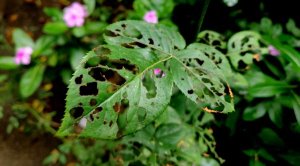
Spinach blight, also known as Cucumber Mosaic Virus, is spread by aphids and thrips. It causes yellow spots and deformed leaves, stunting growth. Infected plants should be removed to protect others. Prevention includes keeping the garden free of debris and weeds and using row covers.
Downy mildew, caused by the parasite Peronospora farinosa, appears as small yellow spots that expand into tan, dry patches, with purple fungus on leaf undersides. It thrives in cool, moist conditions. Choosing resistant varieties and applying preventative fungicides are the best defenses, as the disease is hard to treat once established.
When Leaves Turn White: White Rust
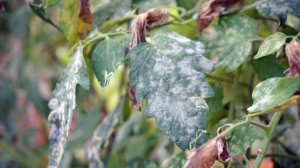
White leaves on spinach almost always signal white rust, caused by the fungus Albugo occidentalis. Early signs mimic downy mildew, but white blisters on the undersides distinguish it. Once leaves turn fully white, the plant cannot be saved; it must be pulled and destroyed to prevent the fungus from spreading. Prevention through good plant health and care is the only effective strategy.
In most cases, yellowing spinach can be revived by adjusting care routines. White rust, however, demands immediate action to protect the rest of the garden. Regular monitoring and proactive soil and water management are the best defenses against these common issues.