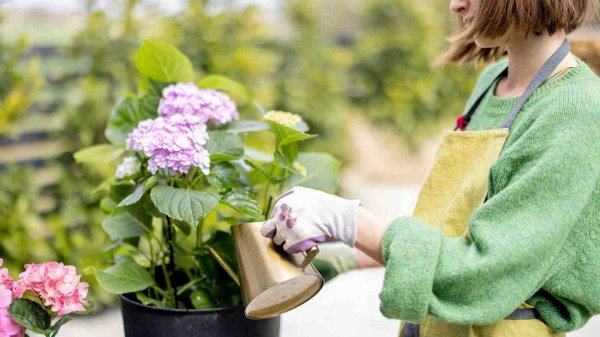
Hydrangeas are a staple in many gardens, admired for their large, vibrant blooms. But when those blooms start to droop, it can be a sign of several underlying issues. The good news is that most causes are straightforward to correct with a few adjustments to your care routine.
Whether you're dealing with a newly planted shrub or a long-established one, understanding the root cause is key. Here are the most common reasons hydrangeas wilt, along with practical solutions.
Watering: The Most Common Culprit
If you notice your hydrangea's leaves drooping in the midday heat, it's often a cry for water. Hydrangeas have large leaves that lose moisture quickly, especially when temperatures rise. When the plant is thirsty, it prioritizes root survival over maintaining perky foliage, leading to that characteristic sag.
Interestingly, overwatering can cause similar symptoms. Leaves may yellow and drop, and blooms may be smaller or absent. A key difference: overwatered plants may not perk up after watering, especially if root rot has set in. Check the roots for mushiness if your plant stays wilted despite regular care.
How to fix: For underwatered plants, give a thorough soaking at the base, not on the leaves, and aim for about two inches of water per week. For overwatered plants, pause watering for a few days and ensure the soil drains well. Amending heavy clay or sandy soil with compost can help balance moisture retention.
Sun Exposure: Too Much of a Good Thing
Most hydrangea cultivars prefer partial shade, especially morning sun with afternoon shade. If your plant is in a spot with intense afternoon sun, it may wilt due to heat stress and dehydration. Leaves and flowers can even look dry or crispy.
How to fix: If possible, transplant the hydrangea to a location that gets four to six hours of morning sun. Wait until fall or cooler weather to minimize stress. Alternatively, if your garden lacks shade, consider planting a panicle hydrangea, which thrives in full sun and tolerates six or more hours of direct light daily.
Heavy Blooms and Weak Stems
Smooth hydrangeas (Hydrangea arborescens) are notorious for drooping after rain, as their large flowers can be too heavy for their stems. While breeders have developed stronger hybrids, mature plants can still bend under the weight of their blooms.
How to fix: In many cases, no action is needed. When pruning, leave some older growth to support new stems. This is especially important for varieties that bloom on new wood.
Fertilizer: Less Is Often More
Overfertilizing, particularly with high-nitrogen formulas, can lead to leggy, weak growth that struggles to hold up blooms. Too much nitrogen encourages leafy growth at the expense of flowers.
How to fix: Do a soil test before adding anything—you may not need fertilizer at all. If you do feed, do so in spring and avoid fertilizing after August, as late-season growth is tender and vulnerable to winter damage. Compost is a safe year-round addition that improves soil health without the risk of overfeeding.
Transplant Shock: Settling In
Recently planted or moved hydrangeas often wilt due to transplant shock. Roots may dry out during the move, causing temporary drooping as the plant adjusts.
How to fix: Plant in spring or fall when temperatures are cooler. Water thoroughly before moving, and keep the soil consistently moist (but not soggy) after planting. Provide afternoon shade if possible, and hold off on fertilizer until the plant establishes.
Potted Hydrangeas: Time to Repot
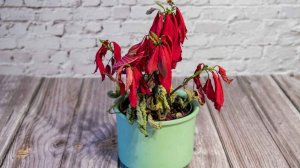
If your container-grown hydrangea is drooping, it may be root-bound. Hydrangeas have vigorous root systems, and when confined, roots wrap around the pot, limiting water uptake.
How to fix: Water the plant thoroughly, then gently remove it from the pot. Loosen the roots and transplant into a larger container with fresh potting soil and good drainage. Water again to help it settle.
By addressing these common issues, you can help your hydrangeas return to their full, blooming glory.