Strawberries are a staple in many home gardens, prized for their sweet fruit and vigorous growth. Yet even the hardiest plants can run into trouble—flowers that never become berries, fruits that stay small or misshapen, or plants that suddenly wilt and die. The causes are often straightforward: a lack of pollinators, poor soil conditions, or fungal diseases. Understanding these issues is the first step to a healthy harvest.
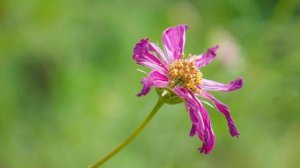
Most strawberry problems stem from a few common sources. For instance, if your plants produce plenty of flowers but no fruit, the likely culprits are insufficient pollination, nutrient deficiencies, or extreme weather. Strawberries are self-pollinating, but they still need bees or wind to move pollen within each flower. Without adequate insect activity, fruit set can be poor. To attract more pollinators, consider planting alyssum, phacelia, or marigolds nearby. In a pinch, hand-pollination with a paintbrush works, though it is time-consuming.
Soil quality also plays a major role. Strawberries thrive in well-drained, fertile soil. Heavy clay or compacted ground can stress plants, leading to fewer blooms. A lack of phosphorus can limit flowering, while too much nitrogen encourages leafy growth at the expense of fruit. Testing your soil and amending with compost or a balanced fertilizer, such as fish emulsion, can help.
Why Berries Come Out Small or Deformed
Small strawberries are often a sign of stress. Poor pollination is a frequent cause: each berry contains roughly 200 seeds, or achenes, and if only half are pollinated, the fruit may be half its normal size. Research suggests a flower needs at least 5 to 25 bee visits to reach full size. Inadequate pruning can also divert energy away from fruit production, as runners steal resources from the main plant. Removing runners early in the season can lead to larger berries within weeks.
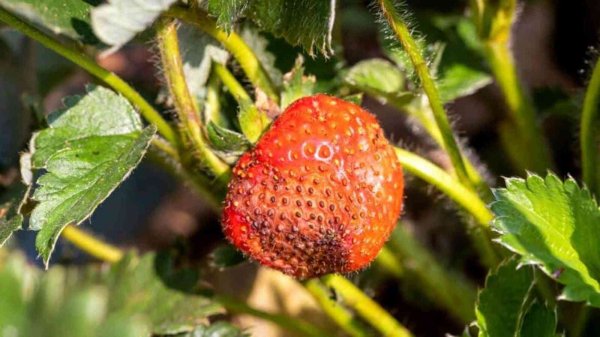
Deformed fruit—flattened, lumpy, or wrinkled—is usually the result of uneven pollination or nutrient imbalances. Cold, rainy weather early in the season can keep bees at home, leading to partial pollination. Boron and calcium deficiencies are also linked to misshapen berries. A foliar spray of borax (half a teaspoon per gallon of water) can address boron, while gypsum or crushed eggshells help with calcium. Late spring frosts can also cause blackened centers; using row cover or straw mulch can protect blossoms.
Dealing With Pests and Holes in Fruit
Holes in strawberries are a telltale sign of animal or insect visitors. Birds, especially starlings, can strip a patch quickly; bird netting is an effective deterrent. Deer and rabbits are also fond of strawberry plants, and fencing or repellents like porcine blood meal may help. Slugs leave ragged holes and slime trails; diatomaceous earth or a beer trap can control them. Tarnished plant bugs, also known as lygus bugs, cause a distinctive “catfacing” deformity, with sunken, brown centers. Sticky traps, neem oil, or insecticidal soap are organic options.
When Plants Collapse or Leaves Discolor
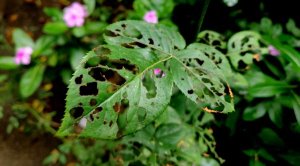
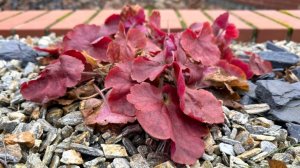
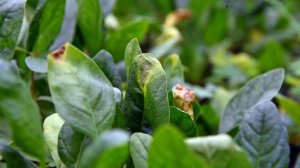
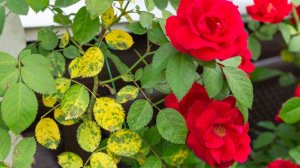
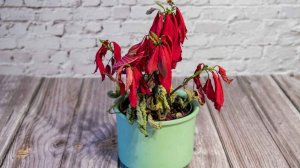
Sudden collapse is often due to crown rot—a group of fungal diseases including anthracnose, red stele, and Macrophomina. Symptoms include wilting despite moisture, orange-brown cores, and dead plants. Once infected, individual plants rarely recover, so prevention is key: rotate crops, use certified disease-free transplants, and ensure good airflow. Red leaves may indicate cold snaps, nutrient deficiencies, or fungal leaf spot. Brown leaves often point to overwatering, sunburn, or frost damage. In most cases, removing affected leaves and improving drainage helps plants recover.
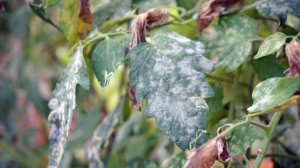
Powdery mildew, which appears as a white powder on leaves, thrives in warm, humid conditions. Pruning for airflow and applying a fungicide like neem oil can control it. Curled or cupped leaves may signal cyclamen mites or verticillium wilt, both of which require targeted treatments.
Ultimately, the best defense is a good start. Plant strawberries in well-prepared soil with a pH between 6.0 and 7.0, space them 12 to 18 inches apart, and mulch with straw to keep berries clean and roots cool. Regular pruning of runners and consistent watering—preferably via drip irrigation—will keep plants vigorous. With these practices, most common strawberry problems can be avoided or quickly resolved.