Gardeners who invest time and care into their plants can still face the frustration of fungal infections. These diseases manifest in various forms, from powdery coatings on leaves to rotting fruits, and can even be fatal to plants. Recognizing the specific symptoms is the first step toward effective management, as each fungus has its own patterns of attack.
This guide examines 13 of the most prevalent fungal diseases, offering practical advice on identification, prevention, and treatment. While no garden is immune, understanding these threats can significantly reduce their impact.
Wilts: Fusarium and Verticillium
Fusarium wilt, caused by pathogens in the Fusarium genus, targets specific hosts such as tomatoes, peppers, eggplant, and basil. Early indicators include wilting leaves that recover at night, sporadic yellowing, and reddish-brown discoloration inside the stem. Since there is no cure, prevention is key: source transplants from reputable nurseries, disinfect tools, and choose resistant cultivars like 'Mountain Merit' tomatoes. In acidic soils, raising the pH to 7 may reduce incidence.
Verticillium wilt affects a broader range of plants, including woody trees, shrubs, and herbaceous flowers. Symptoms include sudden wilting, yellowing leaves, and dark streaks beneath the bark. While infected plants cannot be cured, maintaining vigor through adequate watering and nitrogen-rich fertilizer can prolong their life. Resistant varieties and crop rotation are the primary preventive measures.
Mildews and Leaf Spots
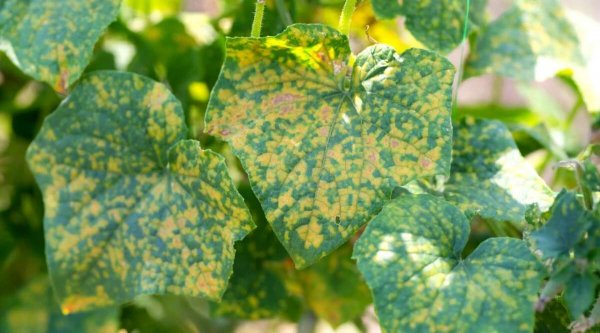
Downy mildew, though not a true fungus but a water mold, thrives in humid conditions and affects ornamentals like snapdragons and vegetables like cucumbers. It appears as water-soaked lesions on leaf undersides, eventually turning yellow and fuzzy. Prevention involves drip irrigation, wider spacing, and resistant varieties. Copper fungicides applied weekly can control the spread, but they do not cure infected tissue.
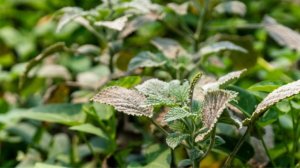
Powdery mildew, in contrast, occurs in both wet and dry conditions, making prevention tricky. It manifests as a flour-like dusting on leaves, which can lead to discoloration and drop. Full sun and good airflow help, but resistant varieties are the most reliable defense. For mild infections, neem oil or horticultural oils can be effective, though they should not be applied above 90°F.
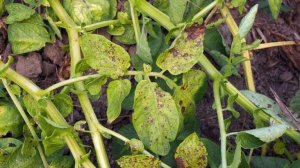
Septoria leaf spot primarily attacks tomatoes, eggplants, and peppers, starting as small brown or purple dots on lower leaves. If untreated, it causes defoliation. Mulching to prevent soil splash, pruning lower leaves, and using drip irrigation are key preventive steps. Removing affected foliage and applying chlorothalonil or copper fungicides can control outbreaks.
Rots and Blights
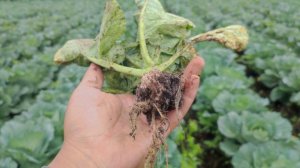
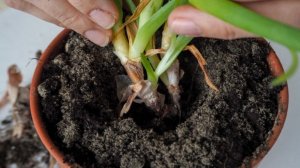
Phytophthora, another water mold, causes root and crown rot in a variety of plants. Symptoms include wilting, limited root systems, and reddish-brown vascular tissue. It occurs only in persistently wet soil, so improving drainage and allowing soil to dry between waterings are crucial. Severe infections are often fatal, but early-stage plants may recover with reduced watering and biological fungicides.
Sclerotinia stem and crown rot, or white mold, thrives in cool, damp conditions and affects beans, sunflowers, and tomatoes. White, fluffy mycelium appears on stems, along with dark sclerotia. Prevention focuses on humidity control, weed removal, and crop debris cleanup. Organic fungicides are not available, making prevention the best strategy.
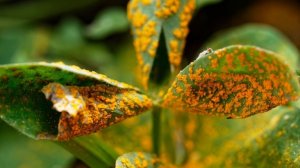
Leaf rust, characterized by orange to red-brown spots, can be tolerated by many plants unless leaf drop is significant. Resistant varieties, avoiding overhead watering, and removing debris help prevent it. Neem oil or sulfur can limit spread, but they do not cure the rust.
Alternaria, often called early blight on tomatoes, creates dark lesions with concentric rings. It affects asters, calendula, and zucchini. Prevention includes resistant varieties and drip irrigation. Copper fungicides can treat infected plants.
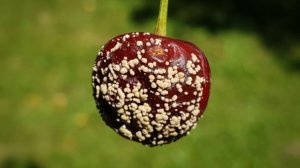
Anthracnose affects trees, vegetables, and turf, causing dark lesions on leaves and fruits. Regular harvesting and mulching help prevent it. Once infected, pruning and fungicide applications protect uninfected growth.
Grey mold, or Botrytis, targets strawberries, grapes, and ornamentals, appearing as brown spots and fuzzy gray growth. Keeping plants dry and removing infected parts are essential. Biological fungicides like Regalia can limit infection.
Sooty mold results from honeydew secreted by sap-sucking insects like aphids and whiteflies. It appears as gray ash on leaves, reducing photosynthesis. Controlling the pests with neem oil or insecticidal soap resolves the mold.
Rhizoctonia rot causes reddish-brown spots on roots and stems, leading to stunting and wilting. It thrives in warm, dry soil and can cause damping-off in seedlings. Prevention includes careful handling, avoiding reused potting mix, and soil biofungicides. Treatment is often ineffective, and infected plants may die.
Ultimately, vigilance is the gardener's best tool. By recognizing symptoms early and implementing preventive measures—such as proper watering, spacing, and selecting resistant varieties—the impact of these common fungal diseases can be minimized.