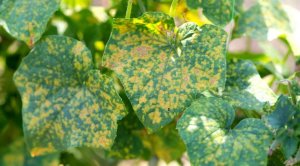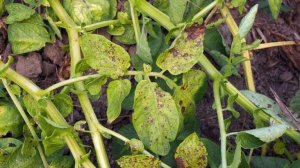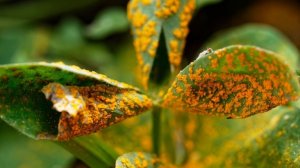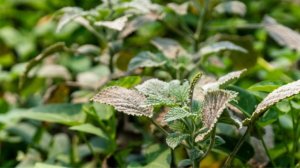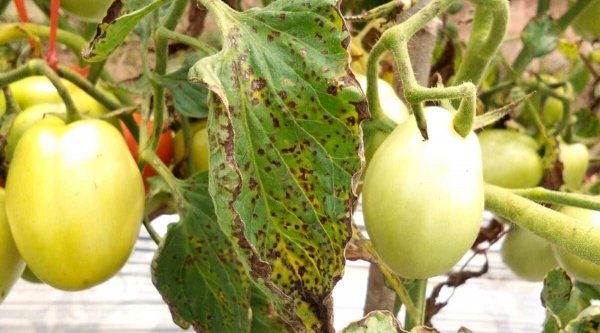
Septoria leaf spot, a fungal disease caused by Septoria lycopersici, poses a serious threat to tomato crops worldwide, with the potential to wipe out entire plantings during severe outbreaks. The pathogen attacks tomatoes at any growth stage, making early detection and prompt action essential for gardeners and commercial growers alike. Symptoms typically begin on older, lower leaves, where small, round spots with dark brown margins and tan or greyish centers appear. As the disease progresses, these spots can merge, causing leaves to yellow and drop, which may expose fruit to sunscald.
The fungus thrives in warm, wet, and humid conditions, often appearing after heavy rains. While tomatoes are the primary host, the disease can also affect other plants in the nightshade family, including eggplants, potatoes, and petunias. Recognizing the distinct characteristics of Septoria leaf spot is critical, as it is often confused with early blight. Unlike early blight, which produces irregularly shaped brown spots with concentric rings, Septoria spots are small and perfectly round with a lighter center. A key diagnostic feature is the presence of tiny black fruiting bodies, called pycnidia, within the spots, especially on the underside of leaves.
Immediate Action and Sanitation
Once Septoria leaf spot is confirmed, immediate removal of infected leaves and plant debris is necessary to prevent further spread. Gardeners should use clean tools and gloves, disinfect equipment between plants, and change clothing before moving to uninfected areas. It is best to perform these tasks when leaves are dry, as water can easily transmit spores. For severely infected plants, complete removal and disposal in a burn pile is recommended; infected material should never be composted, as the fungus can survive in compost and reinfect future crops.
Sanitation extends beyond the growing season. At the end of the year, all tomato debris—including clippings, suckers, and fallen fruit—must be removed from the garden, as the fungus overwinters on plant material. This debris is the primary source of inoculum for the next season. If the disease was present, infected material should be removed from the property or burned.
Prevention Through Cultural Practices
Crop rotation is a cornerstone of prevention. Gardeners should rotate tomato beds with non-Solanaceous crops and avoid planting related nightshades in the same location for at least two years. In small plots where rotation is difficult, deep soil inversion using a broadfork can bury surface spores and reduce the risk of splash-up onto plants. This technique also improves soil aeration and root penetration.
Grafted tomatoes, where a desired variety is spliced onto a resistant rootstock, may offer some delayed susceptibility to certain diseases, though no rootstock cultivars are currently known to be resistant to Septoria specifically. Still, grafting can provide a few extra weeks of harvest, especially in soil with known fungal presence. Growers can also reduce disease pressure by avoiding overhead watering, which spreads spores, and instead watering at the base early in the day so foliage dries quickly. Mulching with well-composted materials or landscape fabric can minimize water splash and suppress weeds that may harbor the pathogen.
Maintaining good airflow through proper spacing and regular pruning of lower leaves helps plants dry faster and reduces the chance of spores jumping between touching leaves. Gardeners should also keep a tidy garden, cleaning seed-starting supplies and greenhouse spaces with a diluted bleach solution each season, and be mindful that spores can travel on clothing and tools.
Treatment Options and Best Practices
Early intervention is crucial. Fungicides containing sulfur or copper are most effective when applied at the very first signs of disease, and labels should always be checked to ensure they are safe for vegetable use. Foliar treatments with potassium bicarbonate have shown effectiveness against several fungal diseases, including some leaf spots, and manufacturers claim they provide two weeks of protection. Chemical options such as chlorothalonil and mancozeb are also available for homeowner use, but all treatments should be applied according to label instructions, respecting any pre-harvest intervals.
For gardeners seeking more information, local cooperative extension offices offer diagnostic services and often provide fungicide safety training. Gardening clubs and master gardener groups can also be valuable resources for advice and support.
While there are currently no tomato cultivars with known resistance to Septoria leaf spot, staying vigilant and implementing a comprehensive prevention plan can significantly reduce the impact of this destructive disease. Early identification, rigorous sanitation, and thoughtful cultural practices remain the most reliable defenses.