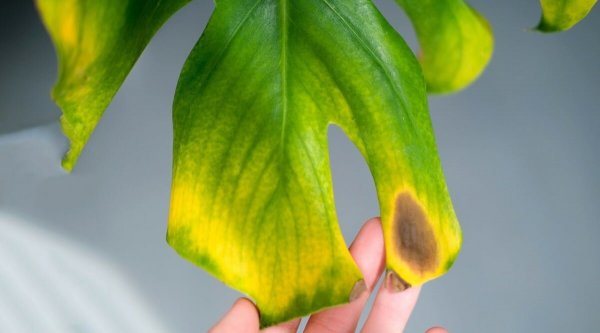
Monstera plants, with their iconic split leaves, are a favorite among indoor gardeners, but when those leaves begin to show brown spots, it signals an underlying problem. The discoloration can stem from a variety of issues, including improper light, watering habits, water quality, or even pest infestations. Identifying the specific cause is the first step toward restoring your plant's health.
In their natural habitat, monsteras grow under the canopy of taller trees, receiving dappled sunlight. Indoors, they thrive in bright, indirect light. Direct sun exposure, however, can cause sunburn, leading to irregular brown patches on the leaves closest to the window. Affected leaves may also lose their green color, turning a pale, ghostly white. Moving the plant to a spot with filtered light and pruning damaged leaves can help it recover.
Watering and Root Health
Overwatering is a common mistake that leads to brown spots. Monsteras are hemiepiphytes, relying on both soil and aerial roots, and need well-aerated soil. When the roots sit in moisture, they can develop root rot, a fungal condition that manifests as brown or black spots on leaves and stems. This can also occur from poor drainage or high humidity. To prevent this, allow the top layer of soil to dry out completely before watering again. If root rot is suspected, repotting the plant and trimming affected roots is necessary.
Another water-related issue is the use of tap water. Chemicals used to treat municipal water can accumulate in the soil, causing root burn and subsequent brown, crispy patches on leaves. Flushing the soil with filtered or distilled water and switching to a purer water source can mitigate this problem.
Nutrient and Environmental Stress
Fertilizer, while beneficial, can cause harm if overused. Excess salts from fertilizer build up in the soil, damaging roots and leading to brown spots. If you suspect over-fertilization, flush the soil thoroughly and pause fertilizing for several months to allow the plant to recover.
Humidity is another critical factor. Monsteras prefer humidity levels above 70%, and when indoor humidity drops below 40%, leaf tips may begin to brown and spread inward. Using a humidity meter can help you monitor conditions. Solutions include placing the plant in a more humid room, using a pebble tray, or investing in a humidifier, which is often the most effective method.
Pests and Diseases
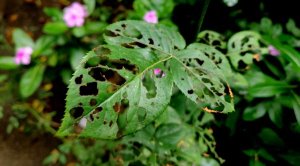
Several pests and diseases can also cause brown spots. Leaf spot, a common fungal or bacterial disease, starts as yellow spots that turn brown. Infected leaves should be pruned to prevent spread. Rust, another fungal issue, appears as orangey-brown patches and requires isolation and treatment with neem oil or a suitable fungicide.
Scale insects appear as hard, brown bumps on stems and leaves, and they feed on plant sap. Spider mites, identifiable by fine webbing, cause yellow patches that turn brown. Thrips, though harder to see, leave similar damage. For all these pests, isolating the plant and applying neem oil or insecticidal soap is the standard treatment, often requiring multiple applications.
Addressing brown spots on monstera leaves requires a systematic approach. By evaluating each potential cause—from light and water to pests—you can take targeted action to nurse your plant back to health.