Root rot is a leading cause of decline among indoor orchids, striking even experienced gardeners who may inadvertently overwater or use the wrong potting medium. The condition, driven by fungal growth in overly moist environments, can rapidly transform a thriving plant into one struggling to survive. However, with early detection and careful intervention, recovery is possible.
Orchids, unlike many houseplants, naturally grow on tree trunks and limbs, leaving their roots exposed to air. This biological trait means their roots require excellent drainage and air circulation, a fact often overlooked in typical potted environments. When roots are submerged in waterlogged soil, they weaken and break down, creating an entry point for the fungi that cause rot.
Why Overwatering Is the Primary Culprit
Overwatering remains the most frequent trigger for root rot. Most indoor orchids need water only once a week at most, and they benefit from a degree of neglect. The roots can absorb only so much moisture before they begin to deteriorate. Along with excessive watering, the choice of container and potting mix plays a critical role. A pot without adequate drainage holes or a medium that retains too much moisture can compound the problem.
To minimize risk, gardeners should ensure that the container has holes on both the sides and bottom for airflow, and that the potting medium is coarse and fast-draining. A common homemade mix includes 60% orchid bark, with the remainder composed of charcoal, perlite, and pumice or sponge rock. Commercial orchid mixes are also widely available and effective.
Recognizing the Signs of Root Rot
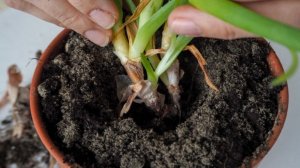
Early detection is key. The first visible symptoms often appear on the leaves, which may yellow and drop. However, by that stage, the rot has already progressed significantly. The most reliable method is to inspect the roots directly by gently probing the potting medium.
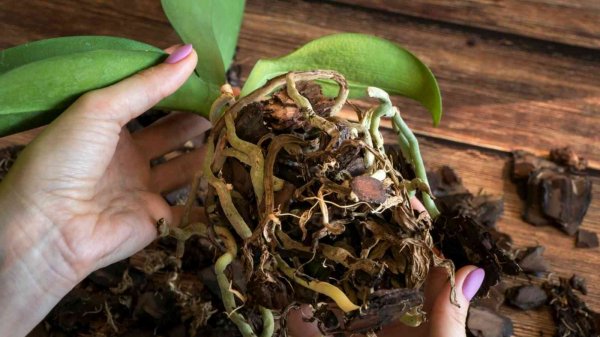
Healthy orchid roots are generally plump, greenish-white, and smooth, with a slightly flexible texture. Depending on the species, they may appear as thick, snaking roots (phalaenopsis), a mass of white roots (cattleya), or a tangle of green and white (dendrobium). In contrast, rotten roots are dark brown to black, mushy, and may fall apart when touched. Dry roots, which are a separate issue, appear gray and wrinkled, but they are much easier to revive with a thorough watering.
Steps to Save an Affected Orchid
If root rot is caught early, intervention can be effective. Begin by removing the plant from its pot and gently shaking off all old potting medium, being careful not to damage fragile roots. Using a sharp, sterile tool, trim away all dark, mushy, or deflated portions, preserving as much healthy tissue as possible. Clean cuts heal faster and reduce the risk of further infection.
After trimming, treat the remaining roots with a copper-based fungicide or an antibacterial agent. Powdered sulfur is another option, but it should be used sparingly as it can dry out the roots. Avoid controversial home remedies like ground cinnamon or hydrogen peroxide.
Repot the orchid in a fresh, well-draining mix, ideally in a terracotta pot that wicks moisture away from the roots while retaining some humidity. Wooden baskets are another excellent choice, offering maximum drainage and mimicking the orchid's natural habitat, though they can be messy indoors.
Adjusting Care to Prevent Recurrence
After repotting, adjustments to watering and environment are essential. Stick to a weekly watering schedule, and always ensure good drainage. Fertilize once a week during the growing season, reducing to every three weeks during dormancy. A balanced, all-purpose fertilizer diluted to half strength works well if a specialized orchid fertilizer is not available.
Humidity and air circulation are also vital. Orchids prefer humidity levels between 40% and 70%. A bathroom window or a humidifier can help, as can a dish of water placed beneath the pot—provided the roots do not sit in water. Moving air, from a fan or vent, helps prevent fungal growth.
Recovery takes time. If leaves continue to die after repotting and adjusted care, the plant may be beyond saving. But if it stabilizes, new growth is a positive sign. Resist the urge to water more often; orchids, like succulents, thrive on a drier cycle as long as humidity is adequate.