Tulips, those heralds of spring, can sometimes fail to live up to their promise. When foliage appears stunted, blooms look ragged, or growth seems off, a disease may be the culprit. While tulips are not particularly prone to many viral or bacterial conditions, they can be affected by a handful of fungal and viral diseases that gardeners should recognize.
Among the most notorious is tulip fire, caused by the fungus Botrytis. This disease can attack all parts of the plant and is a threat to commercially grown tulips. It may be present in the bulb at planting or spread during the growing season. Early signs include twisted, stunted shoots known as 'fireheads,' which eventually collapse. In wet weather, gray-brown, water-soaked spots appear on leaves and blooms, and in dry periods, leaves may become brittle or split. Petals may show white or brown soft spots. There is no cure; infected plants should be removed immediately and not composted. Prevention focuses on buying firm, unspotted bulbs from reputable growers, ensuring good airflow through proper spacing, and rotating beds annually.
Fungal Foes Below the Surface
Basal rot strikes when high humidity and temperature prevail. Infected bulbs show small white-to-pink or large brown spots and should not be planted. Above ground, foliage dies prematurely, and stems or flowers may be deformed or absent. Roots become mushy and foul-smelling. Prevention includes sourcing bulbs treated with a preventative fungicide and avoiding injury to bulbs. Treatment requires excavating infected bulbs, plants, and surrounding soil.
Root rot, caused by the water mold pythium, attacks juvenile bulbs and seedlings in overly wet conditions. Roots turn brown or black, shoots may be stunted or fail to emerge, and bulbs may shrivel to a small black core. Using chemical or steam-treated potting mix, ensuring good drainage, and applying pine bark mulch can help prevent it. Infected plants and soil should be discarded.
Crown rot manifests at soil level with a reddish tint on stems and leaves, followed by white, mushroom-like threads covering the lower stem and bulb. It spreads quickly and can persist in soil for years. Storing bulbs in a cool, dry place and using sterilized potting mix are key preventive measures. Infected plants should be dug up and disposed of.
Viral Threats and Nematodes
Bulb nematode disease results from microscopic creatures that deposit bacteria, causing yellowing, wilting leaves and premature death. Affected bulbs are spongy, light, and may have gray-to-brown spots. Nematodes spread via water, soil, and plant debris. Prevention includes buying pre-treated bulbs, disinfecting tools, and rotating flower patches. Infected bulbs should be removed and soil sterilized or excavated.
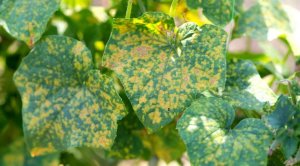
Tulip breaking virus, transmitted by aphids, causes blotchy, streaked, or mottled petals and silver-gray leaves. Growth may be stunted, but the plant rarely dies. Double-flowered varieties are more susceptible. Control aphids with water sprays or horticultural oil, and avoid planting multicolor tulips near solid varieties. Infected plants should be dug up and disposed of.
Tobacco necrosis and tobacco rattle are two other viral diseases. Tobacco necrosis, spread by a fungus, causes abnormal streaking on petals and yellow-to-light-green spots on young leaves. It can be difficult to diagnose because many tulips are bred for multicolor features. Prevention includes buying virus-free bulbs and avoiding planting near potatoes. Tobacco rattle is spread mechanically via unsanitized tools or infected rootstock, causing wavy patterns and mottled blotches on leaves. Disinfect tools and choose resistant cultivars. For both, pruning affected leaves may suffice if the virus is above ground; otherwise, remove the entire bulb.
Gardeners new to tulips may face a learning curve, but recognizing disease symptoms early is crucial. Since symptoms often overlap, the safest approach is to remove and dispose of infected plants and bulbs promptly. When in doubt, throw it out.