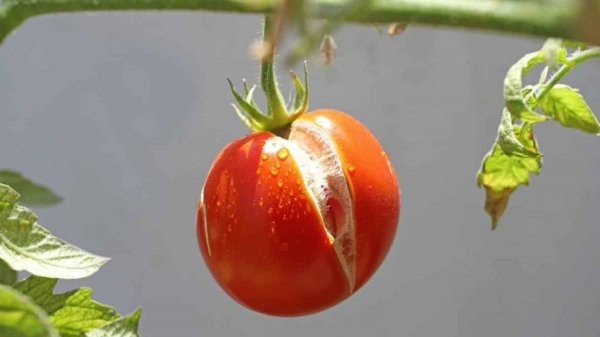
Gardeners who have nurtured tomato plants for months know the disappointment of discovering split fruit at harvest. Cracking, while common, is not inevitable. The condition stems from a mix of environmental, nutritional, and varietal factors, and with a few adjustments, growers can significantly reduce its occurrence.
Tomatoes crack when internal growth outpaces the skin's ability to expand. This imbalance is most often triggered by sudden water intake after a dry period, but other elements—from soil texture to harvest timing—play a role. Understanding these triggers is the first step toward a blemish-free crop.
Two Types of Cracks, One Core Problem
Cracking appears in two forms: vertical splits that run from stem to blossom end, and concentric rings around the top of the fruit. Both can open the door to rot and pests, though concentric cracks are generally less damaging. Heirloom and beefsteak varieties are more prone to the concentric type, which, while cosmetically imperfect, rarely ruins flavor or marketability.
The good news is that cracked tomatoes are safe to eat if they show no signs of rot or infestation. The main drawbacks are shorter shelf life and a less appealing look. For home gardeners, the priority is prevention rather than discarding the harvest.
Why Watering Matters Most
Inconsistent moisture is the leading cause of splitting. Tomatoes are up to 95% water, so when a dry spell is followed by heavy rain or a thorough irrigation, the fruit swells rapidly and the skin gives way. Ripe fruit is especially vulnerable.
To counter this, gardeners should aim for steady soil moisture. Checking the root zone with a finger or moisture probe before watering is a simple habit. Adding organic matter or mulch helps buffer against swings, and drip irrigation or soaker hoses deliver water directly to the roots, reducing evaporation and runoff.
Overwatering, particularly just before harvest, is another common misstep. Waterlogged soil not only encourages splitting but also promotes disease and dilutes flavor. Reducing irrigation as fruits near ripeness, and picking in the morning or evening when humidity is higher, can help.
Beyond Water: Soil and Nutrients
Calcium deficiency, often associated with blossom end rot, also contributes to cracking. This mineral is vital for cell wall strength, and low levels make fruit more prone to splitting. A foliar spray of calcium solution applied two to three times a week can offer a quick fix, while incorporating slow-release amendments like eggshells or oyster shell into the soil before planting provides a longer-term solution.
Soil drainage is equally critical. Tomatoes prefer loose, loamy ground that allows roots to breathe. Heavy, compacted soil becomes waterlogged, suffocating roots and increasing disease risk. For existing plants, loosening the soil around the base and mulching with compost can help. For future beds, broadforking and adding organic matter like rotted manure or leaf mulch improves structure and drainage.
Harvest Timing and Variety Choice
Leaving tomatoes on the vine too long raises the risk of cracking, especially if rain is forecast. Picking fruits slightly under-ripe before a downpour can save the crop. Ripening them indoors near a banana—which emits ethylene, a ripening hormone—can finish the process without the risk of field splitting.
Variety selection is another preventive measure. Large heirlooms like 'Beefsteak' and 'Cherokee Purple' are notorious for cracking, while cultivars such as 'Jetstar', 'Roma', and 'Pruden's Purple' are bred for resilience. Cherry types like 'Black Cherry', 'Gold Nugget', and 'Sun Gold' also hold up well.
Finally, protecting fruit from direct sun is important. While tomato plants love full sun, the fruits prefer shade from leaves. Over-pruning can expose them to sunscald, which leads to cracking. Maintaining a healthy canopy, or using shade cloth if foliage is lost to pests or disease, helps keep fruit intact.
Consistent watering, good soil health, and thoughtful variety selection are the pillars of crack-free tomatoes. By addressing these factors, gardeners can enjoy a more abundant and visually appealing harvest.