Strawberries are a garden favorite, but they are not invincible. A range of fungal and soil-borne diseases can strike, often wiping out entire patches before gardeners even notice. The key to protection lies in understanding what makes plants vulnerable and how to intervene early.
Healthy strawberry plants are naturally more resistant to disease, but stress factors like extreme weather, drought, poor soil, overcrowding, and pest damage can weaken them, opening the door to pathogens. According to the original article, these stressors—not just the pathogens themselves—are often the root cause of outbreaks.
Common Diseases and How to Spot Them
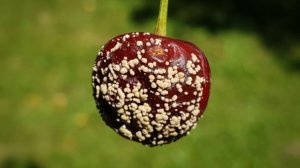
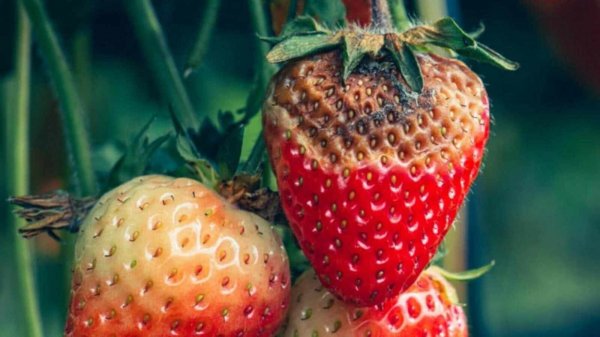
Botrytis rot, also known as gray mold, is a notorious culprit, capable of causing up to 80% yield loss. It thrives in cool, humid conditions and often appears as a velvety gray mold on ripening fruit. Early signs include small brown lesions on berries and powdery dead leaves.
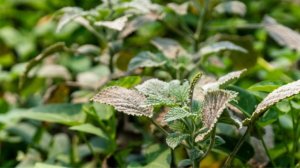
Powdery mildew is another frequent issue, favoring warm, dry conditions. It shows up as white powdery spots on leaves, which may curl and distort. Unlike botrytis, it can be managed with several organic sprays, including a simple baking soda solution or even milk, which research has shown can be effective.
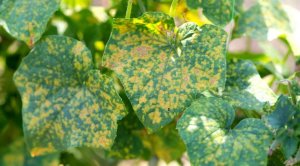
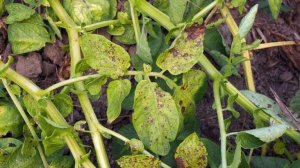
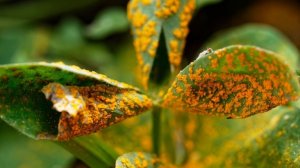
Leaf spot and leaf blotch are fungal diseases that cause cosmetic damage but rarely affect fruit. Leaf spot presents as small, purplish dead spots, while leaf blotch appears as gray or tan lesions on leaf margins, especially after rainy periods.
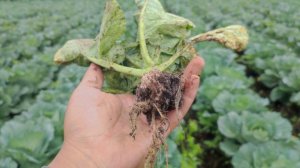
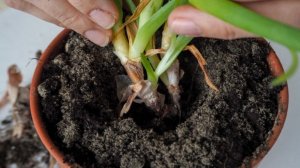
More serious are the soil-borne diseases. Verticillium wilt can persist in soil for decades, causing rapid wilting and death despite adequate watering. Red stele, a root rot, is most problematic in heavy clay soils and can be identified by a characteristic "rat tail" root appearance. Charcoal rot, a newer threat, has been found in Florida fields and causes crowns to turn reddish-brown.
Prevention: The First Line of Defense
Prevention is universally emphasized over treatment. The original article stresses the importance of sanitation: removing dead plant material, avoiding overhead irrigation, and ensuring good airflow. Spacing plants at least one square foot apart helps prevent overcrowding, which is linked to higher disease incidence.
Choosing resistant varieties can also make a significant difference. For powdery mildew, varieties like 'Albion', 'Seascape', 'Chandler', and 'Hood' are recommended. For red stele, 'Earliglow', 'Midway', 'Allstar', and 'Surecrop' offer resistance. Always source certified disease-free plants from reputable nurseries.
Soil health is another critical factor. Strawberries thrive in well-drained, loamy soil rich in organic matter. Amending with compost and using raised beds can improve drainage, reducing the risk of root diseases like red stele and verticillium wilt.
Treatment Options: Organic and Practical
When disease strikes, organic controls exist. For botrytis, neem oil and biocontrol agents like Bacillus subtilis (Serenade) can be applied. Powdery mildew responds to baking soda sprays, vinegar, or milk. For leaf spot and leaf blotch, no fungicides are recommended; instead, focus on removing infected foliage and improving conditions.
For soil-borne diseases like verticillium wilt and charcoal rot, treatment is nearly impossible. The best approach is to remove affected plants and replant in fresh, well-drained soil or containers. Fumigation is toxic and not advised for home gardeners.
Anthracnose, which affects all plant parts, can be managed with copper fungicides, but these can accumulate in soil. The original article advises removing infected plants and practicing strict sanitation.
Ultimately, the strongest defense is a healthy plant. By managing stress, maintaining soil health, and practicing good garden hygiene, growers can significantly reduce the risk of disease and enjoy a bountiful strawberry harvest.