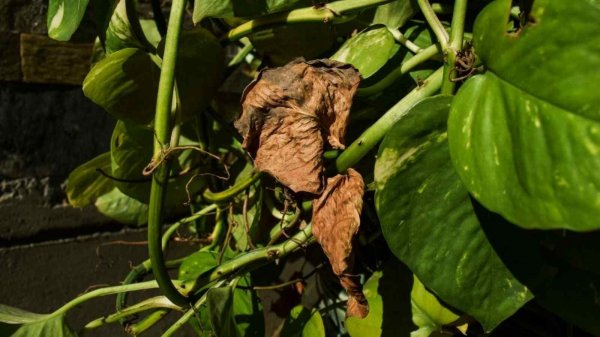
Pothos plants, known for their resilience and low-maintenance appeal, can still show distress when their environment or care routine falls out of balance. One of the more alarming symptoms is blackening leaf tips, a signal that the plant is under significant stress. While this discoloration can be concerning, it is often reversible if the underlying issue is addressed promptly.
The causes range from improper watering and excessive sunlight to cold drafts, overfertilization, pests, and even disease. Each condition leaves a distinct pattern of damage, and identifying the specific trigger is the first step toward recovery. Here is a breakdown of the common culprits and the corrective measures recommended by plant care specialists.
Watering Imbalance: The Most Frequent Offender
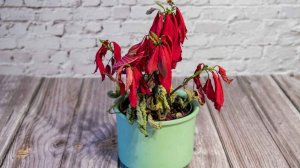
Both overwatering and underwatering can lead to blackened leaves, though the progression differs. Overwatered pothos typically show yellowing leaves first, which then transition to brown or black as root damage sets in. This occurs because excessive moisture or poor drainage leads to root rot, cutting off the plant's ability to absorb nutrients. If the roots become entirely soft and mushy, the plant may be beyond saving; however, if some healthy roots remain, trimming the damaged parts and repotting in fresh soil can offer a second chance.
Underwatering, on the other hand, causes leaf tips to turn brown first, then black as the tissue dies. The recommended remedy is to prune the damaged areas and water the plant from the bottom by placing the pot in a sink or bucket of water, allowing the soil to absorb moisture thoroughly. To prevent recurrence, gardeners should test the soil regularly and water only when the top two inches are dry, avoiding standing water in saucers or decorative pots.
Light Exposure: The Scorch Factor
Native to the tropical rainforests of French Polynesia, pothos thrive in bright, indirect light, similar to the dappled sunlight beneath tall tree canopies. Direct sun, especially during midday or afternoon, can burn the leaves, causing brown or black patches that will not recover. While morning sun is generally tolerable, prolonged exposure to intense rays can cause irreparable damage. The best approach is to place the plant near a window with filtered light or in a spot that receives indirect brightness, and to trim any burned leaves to redirect the plant's energy toward new growth.
Temperature and Drafts: The Cold Stress
Pothos are tropical plants that prefer temperatures above 60°F (15°C). When exposed to cold drafts or temperatures below 50°F (10°C), the leaves can turn black due to cell damage. Frost or prolonged cold can be fatal, but if only a few leaves are affected, trimming them and moving the plant to a warmer room may stimulate recovery. During winter, it is advisable to keep the plant in the warmest room and away from windows at night, as cold air can concentrate near glass surfaces.
Fertilizer Burn and Salt Build-Up
Overfertilizing is another common mistake that leads to black leaves. Excess fertilizer causes a salt build-up in the soil, which can burn the roots and leaves. If blackening occurs shortly after fertilizing, the immediate response should be to flush the soil with filtered water until it runs clear, then allow the pot to dry in a bright area and withhold fertilizer for several months. To avoid this issue, always follow the product's instructions, and note that recently repotted plants do not need fertilizer because the fresh soil already contains nutrients. Liquid fertilizers require application every 4-6 weeks, while slow-release types are applied every three months or so.
Pests and Diseases: Hidden Threats
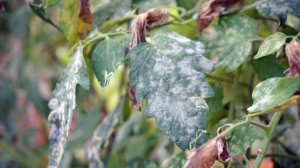
Pests such as aphids and mealybugs can cause leaf discoloration by sucking sap, leading to yellow, brown, or black spots. Some pests also excrete honeydew, which fosters sooty mold, a black coating that darkens leaves. For minor infestations, removing pests by hand is effective; for larger problems, insecticidal soap or neem oil may be needed, with repeated applications to ensure complete eradication. Diseases like blight are more serious, requiring immediate removal of affected stems and leaves. If the infection spreads, destroying the plant may be the only way to protect other houseplants.
Prevention remains the most effective strategy. Maintaining proper watering, light, temperature, and nutrition, along with regular inspection of leaf undersides, can keep pothos healthy and minimize the risk of blackening. While the appearance of black leaves can be alarming, a systematic approach to diagnosis and care can often restore the plant to its former vigor.