Citrus greening, a fatal bacterial infection also known as Huanglongbing (HLB), has been confirmed in more than 50 countries, including the United States, where it has already reshaped the citrus industry and now poses a direct risk to home gardeners. The disease, spread primarily by the Asian citrus psyllid (Diaphorina citri), attacks the vascular system of citrus trees, causing fruit to become misshapen, bitter, and unmarketable, and often killing trees within a few years of infection.
First recorded in China in 1919, HLB has since become a global agricultural crisis. In the U.S., Florida was among the first major citrus-producing states to be hit, and it is estimated that 10% of the state's citrus was lost within four years of the disease's arrival. Growers in Texas, California, South Carolina, and other southern states have also reported infections. The economic toll is severe, prompting strict quarantine measures in many countries to slow the spread.
How the Disease Works and What to Look For
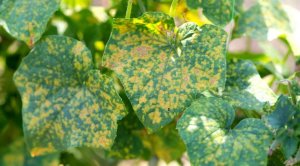
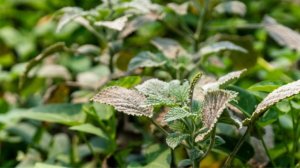
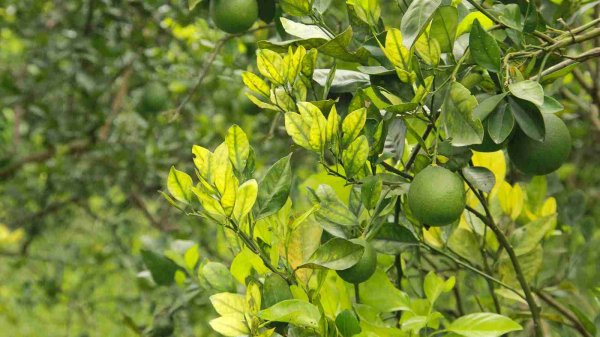
HLB is caused by three strains of Candidatus Liberibacter bacteria: CLas, CLam, and CLaf. The first two are transmitted by the Asian citrus psyllid, while CLaf is carried by the African citrus psyllid (Trioza erytreae). The bacteria disrupt the tree's ability to transport glucose, leading to starch accumulation in leaves, which then yellow in a mottled pattern—a symptom that can be mistaken for nutrient deficiency. Infected trees also show twig dieback, canopy thinning, and produce small, asymmetrical fruit with dark, aborted seeds. The fruit often remains green at the stem, a telltale sign of the disease.
Because symptoms can take time to appear, the disease can spread unnoticed. The Asian citrus psyllid is a highly mobile pest, and even a single infected backyard tree can become a source of local transmission. Homeowners are urged to contact their local agricultural commissioner's office if they suspect an infestation or infection, as early reporting is critical to containment.
No Cure, but New Research Offers Hope
Currently, there is no cure for HLB, and infected trees typically die within a few years. The standard practice is to remove and destroy infected trees to prevent further spread. However, in 2020, a research team at the University of California Riverside, led by professor Hailing Jin, discovered a peptide found in the Australian finger lime—a citrus relative resistant to HLB—that can kill the CLas bacterium. The peptide is heat-stable, easy to produce, and safe for humans, and it can be applied as a foliar spray or injected into infected trees. Field trials are now underway in Florida, and the peptide could eventually be developed into a vaccine for young citrus trees.
Prevention Tactics for Growers and Gardeners
Agricultural researchers in Fujian province, China, have developed a four-step management plan that is being used to train farmers and can be adapted for home use. The steps include planting a barrier of cedar trees around orchards to confuse and block psyllids, removing infected trees entirely and treating stumps to prevent regrowth, applying insecticides during new growth flushes to control psyllid populations, and purchasing only healthy, disease-free saplings that are at least two years old. Maintaining healthy soil and encouraging beneficial insects can also help keep psyllid numbers in check.
While the disease remains a serious threat, the combination of vigilant monitoring, strict sanitation, and emerging treatments offers a path forward for both commercial growers and home citrus enthusiasts.