Dieffenbachia, commonly known as dumbcane, is a tropical perennial prized for its large, patterned foliage and ability to thrive in moderate, indirect light. While it’s a relatively low-maintenance houseplant, it is notably susceptible to a range of nuisance insects. For plant owners, early detection and consistent care are key to preventing infestations that can weaken or even kill the plant.
The plant’s appeal extends beyond aesthetics: it’s known as an air purifier and is associated with positive energy in Feng Shui. However, its soft leaves and preference for consistent moisture can create an inviting environment for pests, especially if watering habits are off. Overwatering, in particular, is a common trigger for several of the issues described below.
Fungus Gnats: A Sign of Overwatering
Fungus gnats are tiny, mosquito-like flies, about 1/8 inch long, that hover around the soil surface. Their presence often indicates overly damp soil and the presence of mold or fungus, which they find irresistible. While adult gnats are more of a nuisance than a threat, their larvae feed on root hairs and can tunnel into the roots, potentially causing significant damage over time.
To prevent fungus gnats, maintain proper watering hygiene: allow the soil to dry slightly between waterings, use well-draining soil, and ensure your pot has adequate drainage. Regularly repotting helps reduce decaying organic matter. For removal, yellow sticky traps are effective for catching adults. A bowl of apple cider vinegar with dish soap and sugar can also lure and trap them. For larvae, a diluted hydrogen peroxide rinse can be applied, but it must be flushed out thoroughly afterward.
Scales and Spider Mites: Hidden Sap-Suckers
Scales are small, armored insects that attach to stems and leaves, appearing as tiny bumps. They suck sap, leading to wilted leaves, stunted growth, and an overall decline in vigor. They also excrete honeydew, a sticky substance that can foster black sooty mold, which interferes with photosynthesis. Early detection is crucial; healthy plants are more resilient. Preventative measures include regular fertilization and ensuring proper light and water. For treatment, insecticidal soap or horticultural oil works on soft scales, while armored scales require a cotton swab dipped in 70% or less isopropyl alcohol to break down their waxy coating.
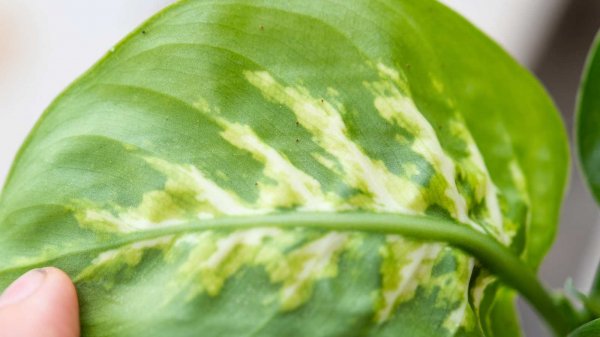
Spider mites are minuscule arachnids that cause pale, yellowing foliage with stippled dots. They are hard to see individually, but their fine webbing under leaves is a telltale sign. They thrive in dry conditions, so maintaining humidity above 50% and regularly dusting leaves can deter them. If an infestation occurs, isolate the plant, wipe leaves with a diluted castile soap solution, or use horticultural oil to suffocate the mites. Placing the plant outdoors for a few days can also introduce natural predators.
Aphids and Mealybugs: Fast Reproducers
Aphids are soft-bodied, pear-shaped insects that cluster on stems and under leaves. They come in various colors, including green, black, and pink. They reproduce quickly and drain the plant of nutrients, leaving honeydew. They are relatively easy to see, making early detection simpler. Prevent them by inspecting new plants and avoiding over-fertilization. Treatment includes neem oil, insecticidal soap, or a castile soap solution. Natural predators like ladybugs and lacewings can be effective if the plant is placed outdoors.
Mealybugs are small, white, fuzzy insects that cluster in crevices and on stems. They cause similar damage to scales and aphids, and their waxy coating makes them resistant to many sprays. They are visible without magnification. Prevent them by keeping plants healthy and inspecting new additions. For removal, insecticidal soap or neem oil can disrupt their lifecycle, while alcohol-soaked swabs dissolve their coating. Because they lay eggs in hard-to-reach places, multiple treatments may be necessary. Natural predators, including ladybugs and spiders, can help control them.
Maintaining a healthy dieffenbachia through proper watering, lighting, and regular inspection is the best defense against these common pests. By recognizing the early signs and applying the appropriate control methods, plant owners can keep their dumbcane thriving.