When the foliage of outdoor plants shifts from green to yellow, it's often a signal that something is amiss. The causes range from simple environmental factors to more complex issues like nutrient imbalances or disease. Understanding the underlying reason is the first step toward restoring plant health.
Yellowing, technically known as chlorosis, occurs when a plant fails to produce enough chlorophyll, the pigment responsible for the green color. While aging leaves naturally turn yellow and drop, widespread yellowing usually points to a problem that needs attention. Here are ten common reasons why outdoor plant leaves turn yellow, along with practical guidance for each.
Light and Water: The Basics
Insufficient sunlight is a frequent culprit. Plants need adequate light for photosynthesis, and without it, leaves can appear faded or yellow. Before making changes, research the specific light requirements of your plant—some thrive in full sun, while others prefer partial shade. For potted plants, the fix is often as simple as relocating them to a sunnier spot. For in-ground plants, you may need to prune nearby trees or shrubs that are casting shade, or in some cases, transplant the affected plant to a more suitable location.
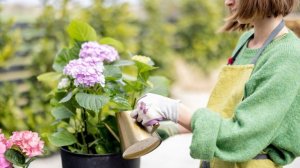
Watering issues are equally common. Both a lack of water and an excess can lead to yellowing. During hot spells, even a few days without water can cause leaves to yellow. If drought is the issue, water the plant slowly and deeply, ensuring the soil stays evenly moist. Conversely, overwatering or poor drainage can waterlog the soil, depriving roots of oxygen and leading to root rot. Soils like clay are particularly prone to compaction and waterlogging. Avoid planting in areas with poor drainage, or amend the soil before planting. Raised beds are a viable alternative when the existing soil quality is poor.
Nutrient and pH Imbalances
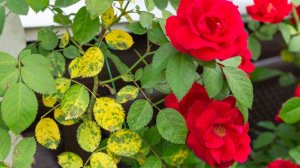
Nutrient deficiencies are a leading cause of yellow leaves. While nitrogen is often the first suspect, deficiencies in iron, manganese, or zinc can also produce yellowing. A soil test is the most reliable way to determine exactly what is missing, allowing you to fertilize appropriately.
Soil pH plays a critical role in nutrient availability. In alkaline soils with a pH above 7, iron becomes less soluble and therefore less accessible to plants. This is why acid-loving plants like blueberries, rhododendrons, and azaleas often show yellow leaves if the soil is too alkaline. Combining a soil test with a pH test can help you address both nutrient levels and pH simultaneously, for example by adding sulfur to lower pH and make nutrients more available.
Over-fertilizing can also cause yellowing, a condition known as fertilizer burn. This happens when soluble salts draw moisture away from the roots, or when fertilizer granules or liquid come into direct contact with leaves. Hot, dry weather can exacerbate the damage. To prevent this, apply fertilizer carefully, avoiding foliage, and water the soil immediately after application. If you're unsure whether you've over-fertilized, a soil test can provide clarity.
Pests, Diseases, and Chemical Damage
Pesticide or herbicide applications can burn leaves if done under the wrong conditions. Spraying in temperatures above 85°F, in high humidity, or on overcast days increases the risk, as does spraying plants already stressed by drought, frost, or pests. Once damage occurs, the only recourse is to remove the affected plant parts. To avoid this, choose a dry, cool, and calm day for spraying, and ensure the product dries quickly on the plant.
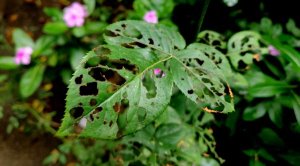
Fungal and bacterial diseases are another concern, particularly for vegetable gardens. Tomatoes, for instance, are susceptible to early blight and Fusarium wilt, both of which begin with yellowing leaves and can eventually kill the plant. Early blight appears as spots with yellow halos that merge over time, while Fusarium wilt often causes yellowing on one side of the plant or branch. Once a disease takes hold, removing and destroying the affected plants is usually the only option. Prevention is key: choose resistant varieties, rotate crops, and maintain good garden hygiene.
Insect damage can also lead to yellow leaves, especially in vegetables. Common pests include harlequin bugs, spider mites, squash bugs, and whiteflies. While these insects may not kill the plant outright, they can weaken it and spread disease. Regular monitoring of your vegetable garden allows for early detection and control before infestations escalate.
Finally, it's worth remembering that yellowing can be a natural part of a plant's life cycle. Older leaves, especially those near the base, often yellow and drop as they age. If only a few lower leaves are affected and the rest of the plant appears healthy, there is usually no cause for concern.