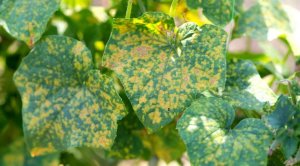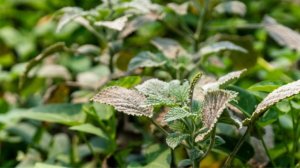
Home gardeners facing the telltale white powder on their plants can turn to a simple, low-cost remedy: a homemade spray made from baking soda and dish soap. This common fungal disease, powdery mildew, often appears in late spring and early summer when warm, dry days are followed by humid nights. While commercial chemical treatments exist, they are typically reserved for large-scale farming operations. For the home garden, a DIY solution offers an effective and inexpensive alternative.
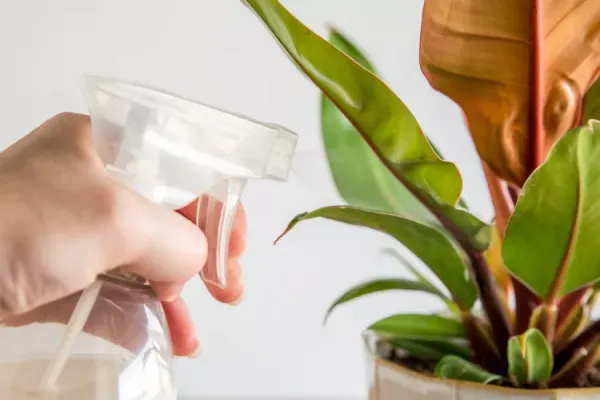
The recipe is straightforward: mix one gallon of water with one tablespoon of baking soda and half a teaspoon of liquid, non-detergent dish soap. The soap acts as a surfactant, helping the mixture adhere to leaves and stems. The solution can be applied using a standard spray bottle or a larger garden sprayer for bigger areas.
Timing and technique matter. Gardeners should apply the spray weekly, ideally on overcast days to prevent the mixture from burning foliage in direct sunlight. It is important to coat both the tops and undersides of leaves, as well as stems. After application, the plants should be allowed to dry naturally. If rain falls shortly after spraying, a reapplication is necessary to maintain effectiveness.
It is worth noting that this homemade spray is a preventive measure rather than a cure. It will not remove the fungus from leaves that are already affected, but it can stop the disease from spreading to healthy parts of the plant. For best results, gardeners should also practice good garden hygiene.
Prevention Through Smart Gardening
Cultural practices play a significant role in minimizing powdery mildew outbreaks. Choosing plant varieties that are advertised as resistant to the disease is a first step. For example, certain cultivars of hollyhocks and phlox are bred to resist this fungus. When planting susceptible species, giving them ample space ensures better air circulation, which reduces the likelihood of the disease taking hold. Dense shrubs, such as lilacs, which are known to be vulnerable, can be thinned out to improve airflow.
Sanitation is equally important. Diseased leaves and stems should be removed and disposed of in the trash or through municipal compost pickup, rather than in a home compost pile. The fungal spores can survive in plant debris for a long time, so leaving infected material in the garden over winter can lead to reinfection in the spring. Removing dead plant material before winter is a critical step in breaking the disease cycle.
For those seeking alternative treatments, potassium bicarbonate is another effective option, and vinegar can also act as a fungicide due to its acetic acid content. However, baking soda remains a popular choice because it is safe to combine with other ingredients and is considered more organic. Dish soap, such as Dawn, can also be used, though it is less potent than other ingredients.
In summary, a homemade baking soda spray, combined with thoughtful garden practices, offers a practical and budget-friendly approach to managing powdery mildew. With minimal effort and cost—often under five dollars—home gardeners can protect their plants and enjoy a healthier garden.