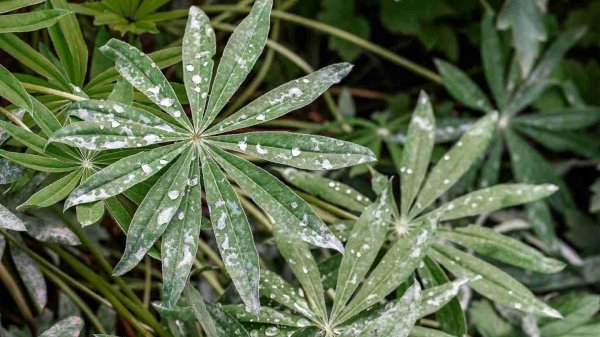
Lupines, with their tall spires of blue, purple, pink, and yellow, are a staple in many North American gardens. These hardy perennials, comprising roughly 300 species of the Lupinus genus, are valued for their resilience and their role in supporting pollinators and improving soil. However, a common fungal foe—powdery mildew—can mar their beauty, leaving leaves coated in a white, powdery film. Recognizing the signs early and adjusting garden practices can keep these wildflowers thriving.
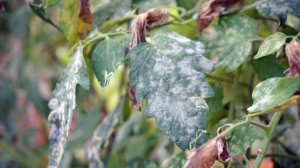
Powdery mildew on lupines is typically caused by fungi from the Erysiphe genus, including E. lupini, which specifically targets lupines, and E. intermedia, which affects legumes. The disease appears as grayish-white spots on leaves and stems, which can merge to cover entire surfaces. Spores spread through wind, contaminated tools, and water splash, and severe infections can cause leaves to yellow, brown, and drop, with new growth becoming distorted.
Cultural Adjustments to Curb Fungal Growth
Lupines thrive in cool, mild climates and are hardy in USDA zones 3-8. They prefer full sun to partial shade and consistently moist, well-drained soil. To reduce the risk of powdery mildew, gardeners can make several key adjustments. Ensuring good air circulation is critical: thin seedlings to about two inches tall, spacing them one to three feet apart depending on the variety. Prune excess foliage and trim encroaching plants to prevent overcrowding.
Watering practices also play a role. While powdery mildew does not require moisture to germinate, humid conditions favor its development, and spores can splash from the soil. Water at the base of the plants whenever possible, and if using overhead irrigation, do so in the morning so leaves dry quickly. Lupines are drought-tolerant once established, but consistent moisture helps prevent stress-related susceptibility.
Sun exposure is another factor. Lupines in full sun—at least six hours daily—are less prone to infection than those in shade. Although lupines prefer temperatures below 90°F (32°C), heat can kill spores; leaves at 95°F (35°C) show spore die-off, but such temperatures are outside the lupine's optimal range.
Avoid overfertilizing. Lupines grow well in lean soils and do not require fertilizer. Excess nutrients stimulate rapid, weak growth that is more susceptible to mildew and can foster spore development.
Sanitation and End-of-Season Care
Good garden hygiene is a cornerstone of prevention. After fall frosts, cut back the brown basal foliage to within one to two inches of the crown and remove debris to eliminate overwintering spores. Sterilize pruning tools with 70% isopropyl alcohol between cuts to avoid spreading the fungus.
For plants already affected, remove and dispose of infected leaves—do not compost them, as spores can survive. Deadheading spent blooms and cutting back mildewed foliage can encourage a flush of new growth.
Fungicide Options and Home Remedies
When cultural controls are insufficient, fungicides can help. Organic sulfur-based products offer both preventative and treatment benefits. Potassium bicarbonate, found in commercial products or a DIY mix of one tablespoon baking soda, one gallon of water, and a half-teaspoon of insecticidal soap, can disrupt fungal cell walls. Use weekly or biweekly, but avoid overuse to prevent leaf burn.
Another home remedy is a milk spray: combine one part high-fat milk with three parts water and apply as a foliar spray. Research suggests the fat content aids in preventing spore growth, though the mixture may produce an odor in summer heat.
For more extensive outbreaks, horticultural oils like neem oil or insecticidal soaps can be effective, especially when applied early. Avoid combining oils with sulfur treatments within two weeks. These oils also target pests, but follow label directions to minimize impact on beneficial insects.
Early detection and consistent care are the best defenses against powdery mildew on lupines. By adjusting growing conditions and using targeted treatments, gardeners can enjoy the vibrant spires of these perennials without the unsightly white residue.