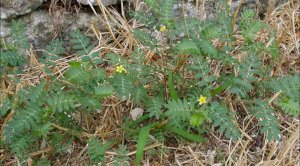
Puncturevine, also known as goat head weed, is an invasive plant that can damage feet, paws, and tires. This article outlines identification, risks, and control methods, including manual removal, flame weeding, and chemical options.
Creating a low-maintenance garden path starts with thoughtful planning and proper installation. This guide outlines key steps—from design and site preparation to material selection—that help reduce weed growth and ongoing upkeep.
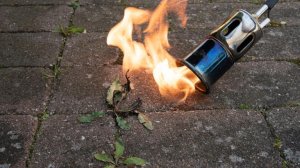
Flame weeding uses a handheld propane torch to sear small weeds with heat, killing them without chemicals. This method, favored by organic farmers, requires careful safety measures to avoid fire risks. Learn the step-by-step process and best practices for effective, non-toxic weed control.
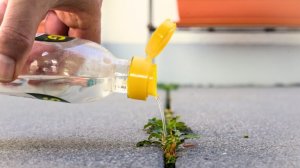
While vinegar can kill young weeds, its effectiveness drops on mature plants and grasses, and high concentrations pose safety risks. Experts suggest hand-weeding, mulching, and tarping as more reliable long-term strategies. Learn the pros, cons, and safer alternatives before reaching for the spray bottle.
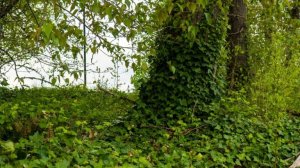
A practical guide for gardeners on managing invasive plant species, covering identification, removal techniques, and preventive strategies. Includes specific methods like pulling, burning, and solarization, as well as native plant alternatives to replace unwanted invaders.
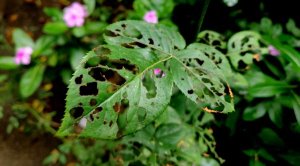
Roses with hole-ridden leaves are a common sight for gardeners, but not all damage is cause for alarm. This guide helps identify the culprit—from beneficial leafcutter bees to destructive Japanese beetles—and offers targeted, low-impact solutions.
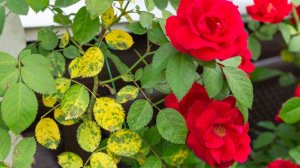
Yellowing rose leaves often signal an underlying issue, from improper watering and sunlight to nutrient imbalances and pests. This article outlines the most frequent causes and offers practical, step-by-step fixes to help gardeners restore their roses to health.
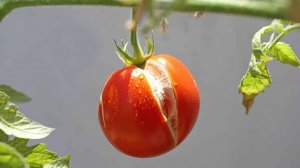
Tomato splitting is a common garden frustration, but understanding its causes—from uneven watering to calcium levels—can help prevent it. This article outlines the main triggers and offers practical, season-long strategies for growing intact, healthy fruit.
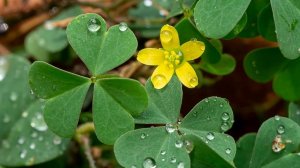
Many weeds with heart-shaped leaves can overtake gardens and farms, some releasing toxins or seeds that persist for decades. This guide details common species like Bermuda buttercup, henbit, and velvetleaf, offering identification clues and control strategies. Recognizing these plants early is key to preventing them from choking out desired vegetation.
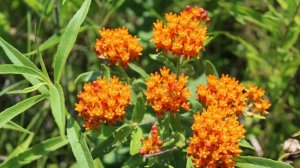
From butterfly weed to tawny daylily, a range of orange-flowered plants can take over gardens across North America. This guide helps gardeners identify common species, understand their growth habits, and decide whether to cultivate or control them.
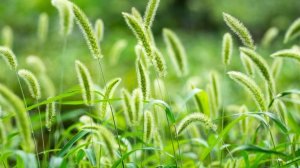
Many weeds mimic grass, making them hard to spot until they've spread. This guide covers common grassy impostors, from bamboo to crabgrass, and offers practical removal strategies for each, emphasizing early action and proper digging techniques.
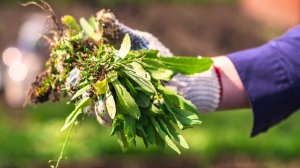
Summer weeds can choke out desirable plants and spread disease, but chemical sprays aren't the only answer. This article outlines five hands-on methods, from early removal to thick mulching, that help gardeners manage weeds without harming the soil or nearby plants.
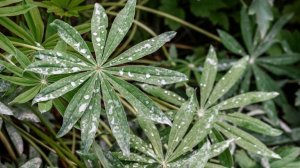
Lupines, popular perennials in North American gardens, often fall victim to powdery mildew, which manifests as a white, flour-like coating on leaves. This article outlines cultural practices and treatment options to manage and prevent the disease, from proper spacing and watering to organic sprays.
Coral bells, or heuchera, are shade-loving perennials that can suffer from too much sun, poor drainage, overwatering, rust, and temperature swings. This article outlines the symptoms of each problem and offers practical steps to restore plant health.
Many common garden weeds, often pulled and discarded, offer significant benefits to soil health and human nutrition. This article explores several such plants, from dandelions to chickweed, highlighting their roles in supporting pollinators, enriching soil, and providing edible, nutrient-dense greens.
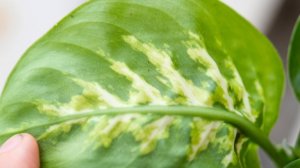
Dieffenbachia, or dumbcane, is a popular houseplant but attracts several pests. This article details the five most common invaders—fungus gnats, scales, spider mites, aphids, and mealybugs—and offers practical identification, prevention, and removal strategies to keep your plant healthy.
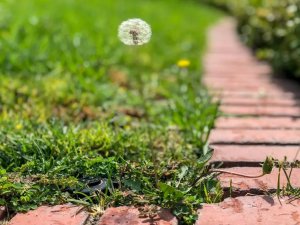
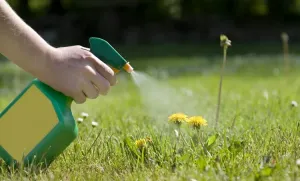
Dandelions can be removed by hand-pulling or with herbicides, with timing and technique crucial for success. Hand-pulling works best in moist soil, while fall herbicide application targets roots. Preventative lawn care, including proper mowing and overseeding, reduces future infestations.
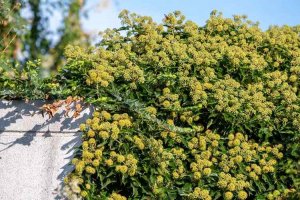
This article outlines 16 non-native plant species that pose significant ecological and economic threats across North America. From vines like kudzu to shrubs such as barberry, these invaders outcompete native flora, degrade habitats, and require active management. Learn which plants to avoid and why regional invasiveness matters.
Salt can be an effective, non-toxic weed killer when used carefully. This article explains how salt works, how to mix and apply it, and compares it to other natural methods like vinegar and boiling water.
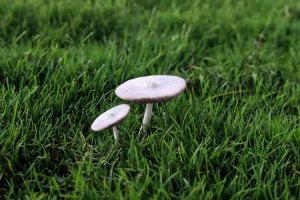
Mushrooms in the lawn often signal drainage or shade issues, but they can be managed without harsh chemicals. This guide covers manual removal, natural sprays, and preventive lawn care to keep your yard clean and healthy.