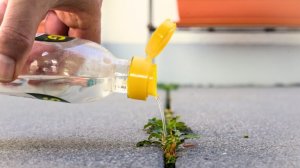
While vinegar can kill young weeds, its effectiveness drops on mature plants and grasses, and high concentrations pose safety risks. Experts suggest hand-weeding, mulching, and tarping as more reliable long-term strategies. Learn the pros, cons, and safer alternatives before reaching for the spray bottle.
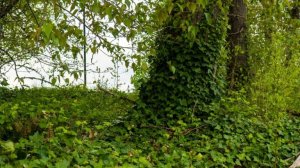
A practical guide for gardeners on managing invasive plant species, covering identification, removal techniques, and preventive strategies. Includes specific methods like pulling, burning, and solarization, as well as native plant alternatives to replace unwanted invaders.
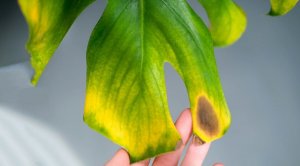
Monstera plants, prized for their distinctive foliage, can develop brown spots due to a range of care mistakes, environmental factors, and pests. This guide outlines the most frequent culprits, from excessive sunlight and watering issues to fungal infections and insect infestations, offering practical steps to restore plant health.
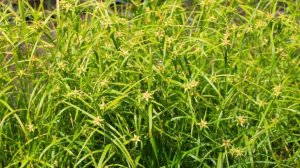
Native sedges (Carex species) provide a low-maintenance, eco-friendly alternative to traditional lawns and a natural method for suppressing invasive weeds. From sun-loving Texas sedge to shade-tolerant woodland varieties, these adaptable plants thrive with minimal care, supporting local wildlife and reducing the need for mowing and watering.
Greenhouse growers face heightened fungal risks during winter, from powdery mildew to root rot. This article outlines identification, prevention, and treatment strategies for common pathogens, emphasizing ventilation, sanitation, and careful watering.
Yellowing leaves on outdoor plants can signal anything from simple aging to serious issues like nutrient deficiencies, watering problems, or disease. This article breaks down the ten most common causes, offering practical steps for diagnosis and treatment.
As summer winds down, powdery mildew can spread rapidly through gardens. This article outlines nine practical strategies, from proper spacing and watering to organic sprays, to help gardeners manage and prevent the disease before it ruins their crops.
This article provides a comprehensive overview of 13 common fungal diseases that affect garden plants, detailing their symptoms, prevention strategies, and treatment options. From fusarium wilt to rhizoctonia rot, gardeners will learn to recognize and manage these threats effectively.
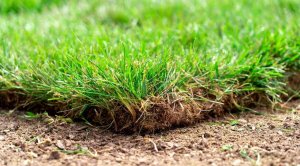
Homeowners facing unsightly patches in their grass may be dealing with one of nine common fungal diseases. This guide helps identify symptoms, prevention strategies, and treatment options for each, from brown patch to summer patch.
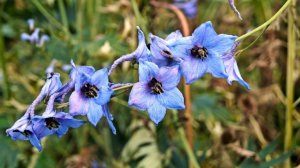
Delphiniums, prized for their tall spires of blue blooms, are vulnerable to several fungal and bacterial diseases, especially in damp conditions. This guide explains how to identify common ailments like root rot, powdery mildew, and botrytis, and outlines practical prevention and treatment strategies for home gardeners.
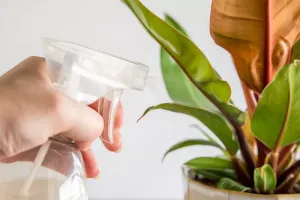
A common garden ailment, powdery mildew, can be managed with a simple DIY spray made from baking soda and dish soap. This article explains the recipe, application tips, and preventive measures to keep plants healthy without chemical treatments.
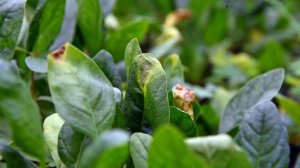
Spinach leaves turning yellow or white signal common but fixable issues, from nutrient shortages to watering mistakes and fungal diseases. This article breaks down each cause with practical solutions, helping gardeners restore plant health or prevent spread.
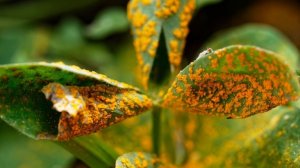
Rust fungi, with thousands of species, can damage crops and ornamentals. This article explains how to identify symptoms, manage outbreaks, and prevent infections through cultural practices and fungicides.
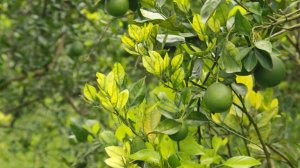
Citrus greening, a fatal bacterial disease, has spread to over 50 countries, devastating commercial orchards and backyard trees alike. With no cure, controlling the psyllid vector and removing infected trees are the primary defenses, though a promising peptide treatment from UC Riverside is in field trials.
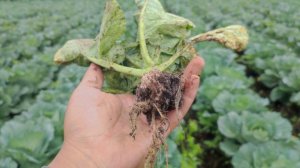
Clubroot, caused by the protist Plasmodiophora brassicae, poses a severe risk to brassica crops like cabbage and canola, with spores surviving up to 20 years in soil. This article outlines detection methods, the pathogen's complex life cycle, and integrated strategies for management and long-term prevention, emphasizing soil pH adjustment and sanitation.
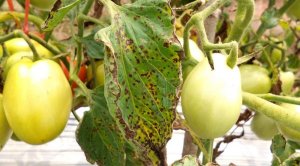
Septoria leaf spot, caused by the fungus Septoria lycopersici, is a widespread tomato disease that can destroy entire crops if left unchecked. This article explains how to identify the disease, distinguish it from early blight, and apply effective prevention and treatment strategies, including cultural practices and fungicide options.
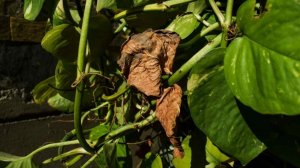
When pothos leaves turn black, it signals underlying stress from watering, light, temperature, or pests. This article explains each cause and provides actionable fixes to help gardeners revive their plants.
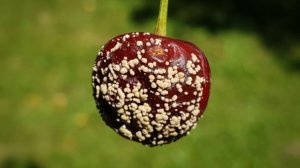
Brown rot, caused by three Monilinia fungi species, threatens stone fruit harvests worldwide. This guide details the disease's life cycle, symptoms, and integrated control strategies, including sanitation, pruning, and fungicide use, to help growers minimize losses.
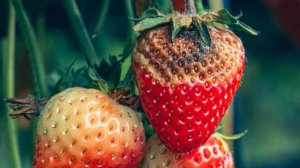
Strawberry plants face a host of fungal and soil-borne diseases that can devastate yields. This guide outlines the most common threats, from gray mold to verticillium wilt, and offers practical prevention and organic treatment strategies for home gardeners.
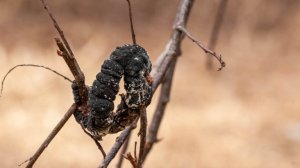
Black knot fungus, caused by Apiosporina morbosa, is damaging plum and cherry trees throughout North America, leading to significant crop and timber losses. This article explains the disease's life cycle, symptoms, and effective control measures, including pruning and fungicide applications.